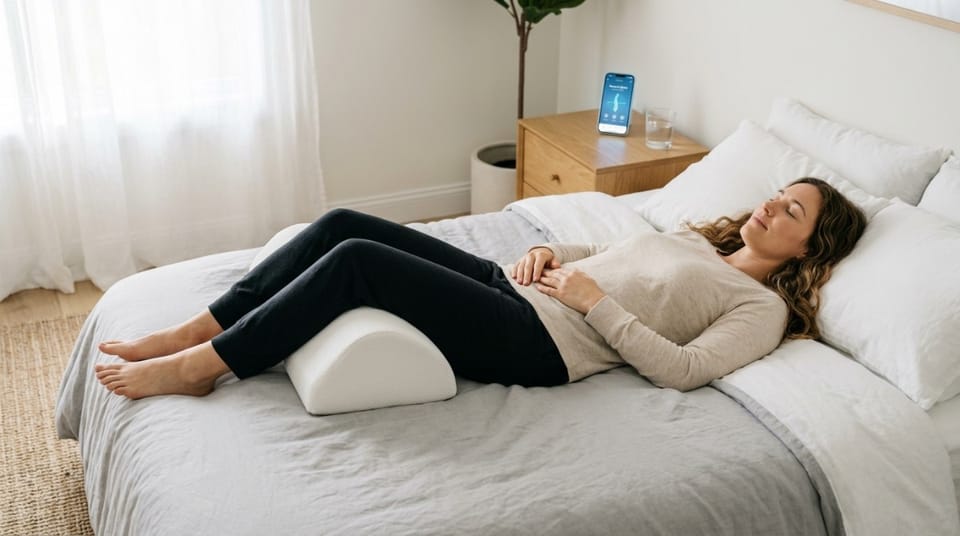
Sleeping position affects lower back pain by determining whether the spine maintains a neutral curve or is forced into sustained misalignment throughout the night.
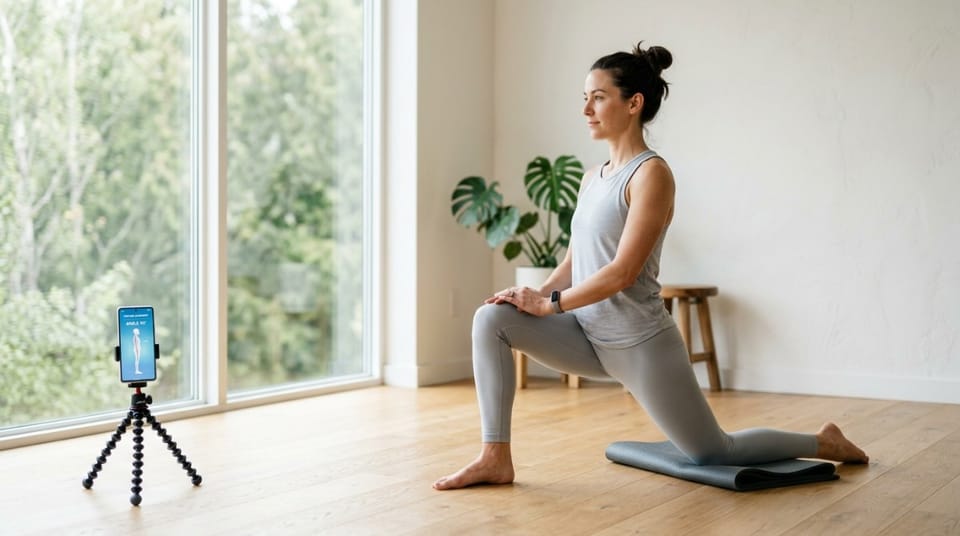
Tight hips and lower back pain are directly linked: when the muscles around the hip joint become shortened or restricted, they alter pelvic alignment and place excess stress on the lumbar spine.
Tight hip flexors are a musculoskeletal imbalance where the muscles connecting your thighs to your pelvis become shortened and overactive due to prolonged sitting or postural dysfunction.
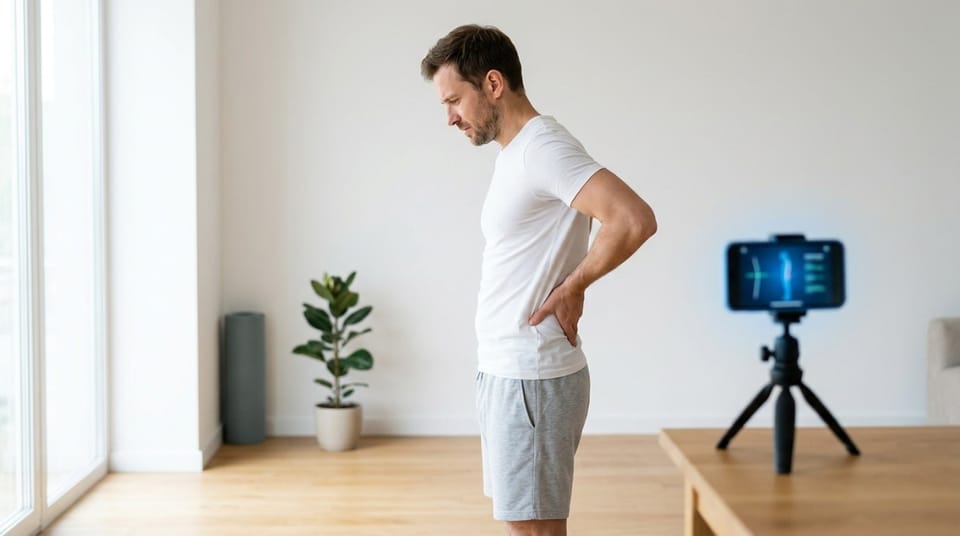
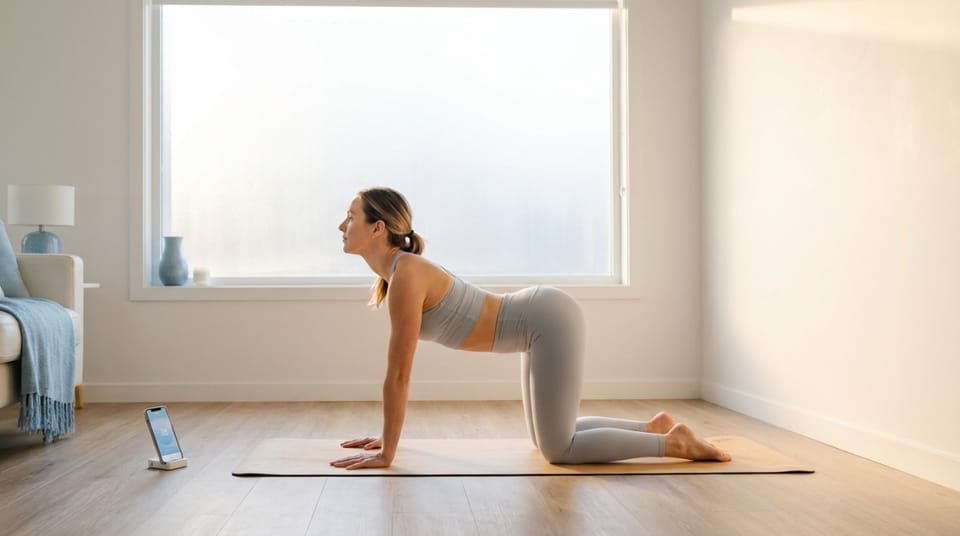
Lower back tightness is a musculoskeletal condition where the muscles surrounding the lumbar spine become overactivated, shortened, or fatigued - typically due to sustained poor posture or movement imbalances.
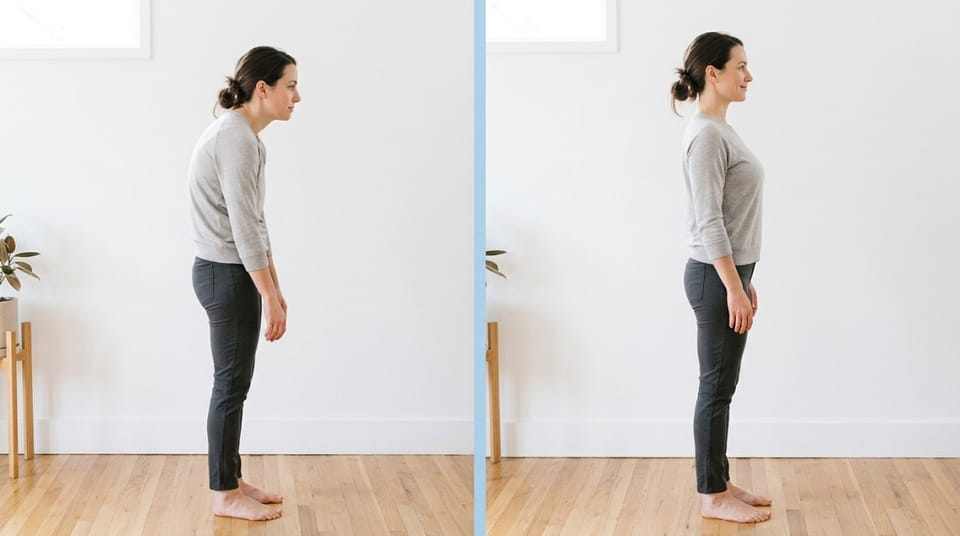
Rounded shoulders and forward head posture are a linked postural syndrome where the upper spine collapses forward, the chest closes, the shoulder blades flare outward, and the head drifts in front of the body's center of gravity.