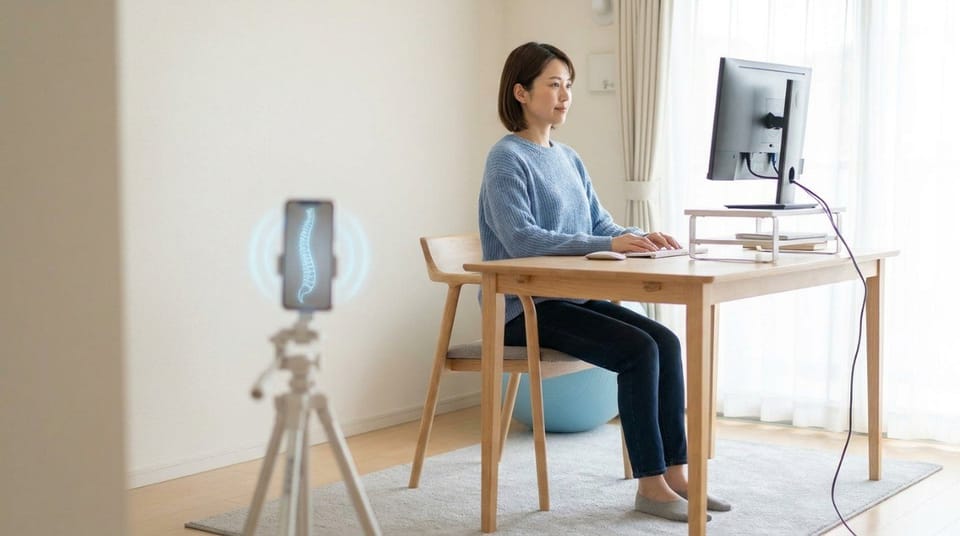
An ergonomic desk setup is an arrangement of your monitor, chair, keyboard, and desk height designed to keep your joints in a neutral, low-strain position throughout the workday
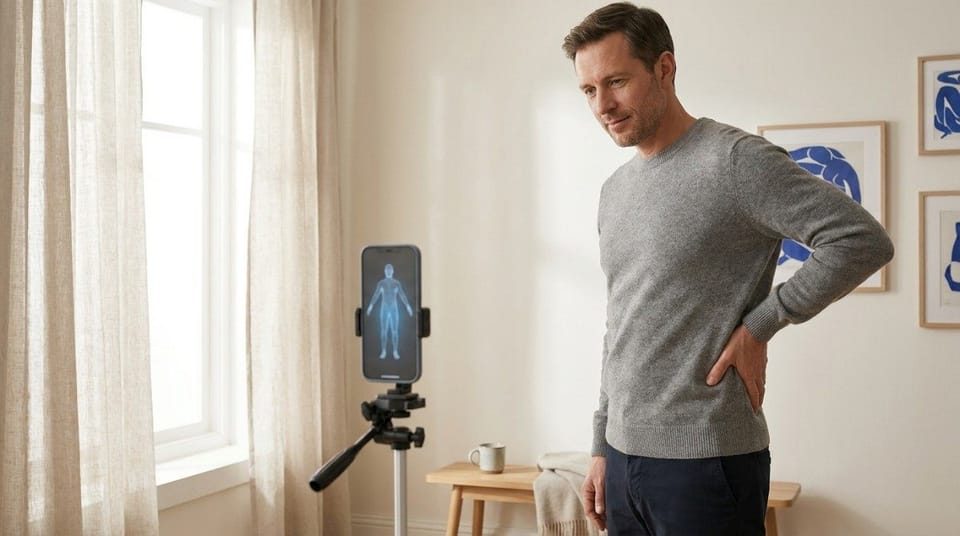
The three most common paths for managing sciatica are in-person physiotherapy, generic online exercise routines, and AI-guided posture apps that personalize a plan based on your specific pattern.
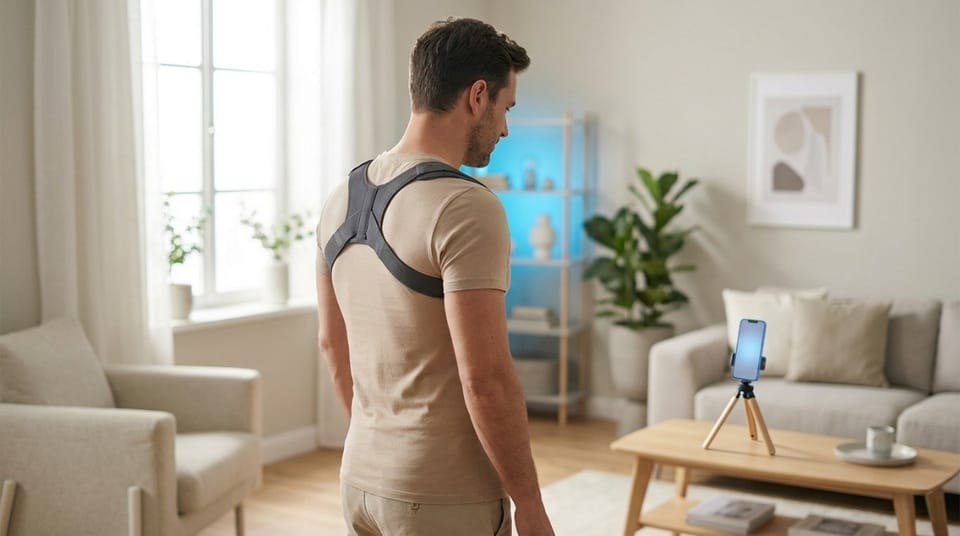
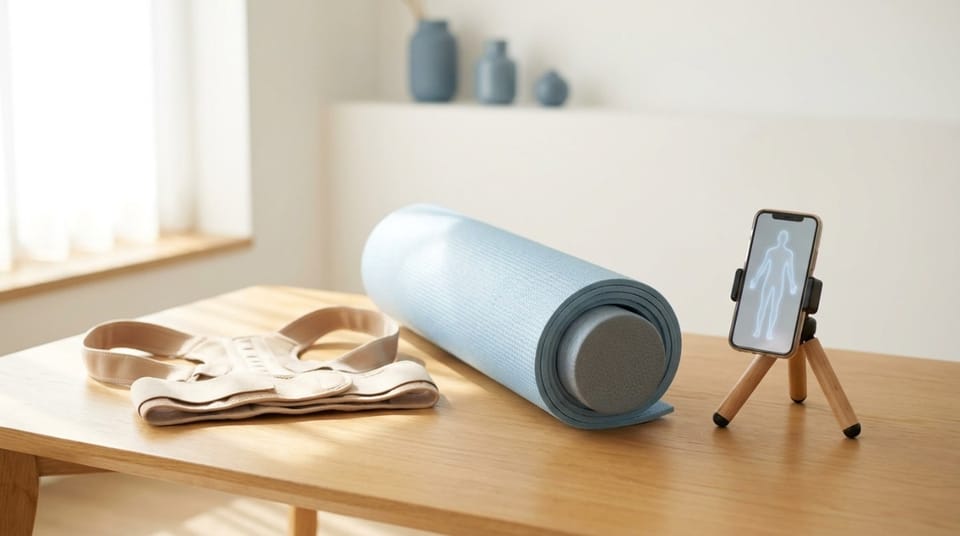
A posture corrector is a physical brace that manually pulls your shoulders into position, while an AI posture app is software that scans your posture through your phone camera and builds a personalized routine to correct it.