
What Is Anterior Pelvic Tilt? Causes, Self-Test, and How to Fix It 💙
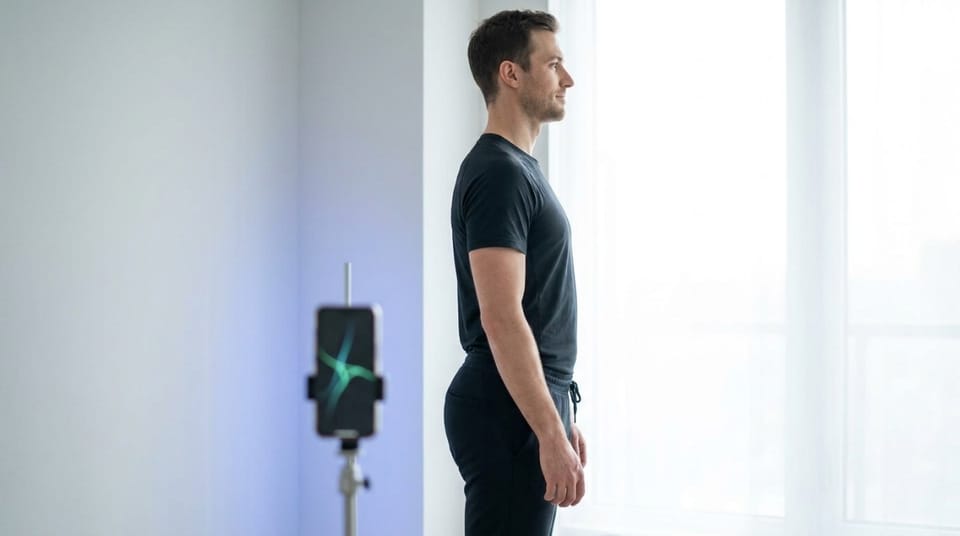
Anterior pelvic tilt is a common postural pattern where the front of the pelvis tips downward, increasing the curve in your lower back. It usually develops from a mix of tight hip flexors, weak glutes, and long hours sitting, not one single cause. Most cases improve with targeted stretching and strengthening rather than any medical treatment.
TL;DR
- Anterior pelvic tilt is when your pelvis tips forward, increasing the arch in your lower back. 🧍
- It's usually caused by tight hip flexors, weak glutes, and prolonged sitting working together, not one single issue.
- A simple test at home can show you whether you have it and how pronounced it is.
- Left unaddressed, it can contribute to ongoing lower back pain and hip discomfort.
- Fixing it means loosening tight muscles and strengthening weak ones at the same time, not stretching alone.
- Most people notice visible improvement within 4 to 8 weeks of consistent, targeted work.
What Is Anterior Pelvic Tilt?
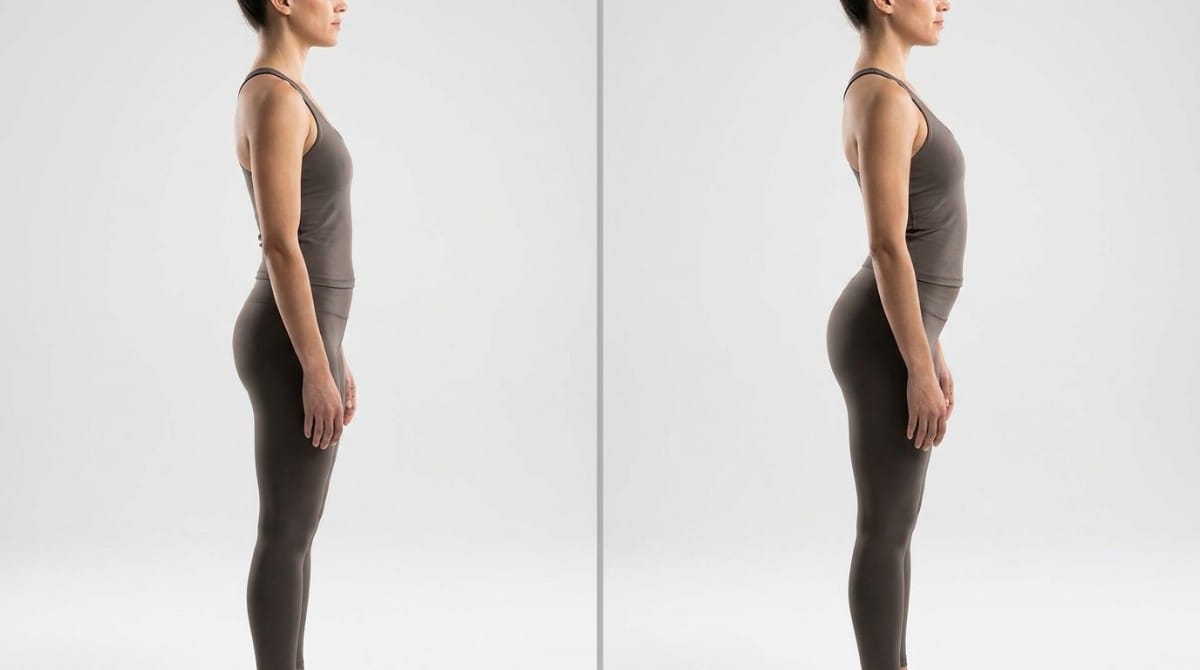
Anterior pelvic tilt is a postural imbalance where the front of the pelvis rotates downward and forward, increasing the arch in the lower back and pushing the belly and glutes outward. It's extremely common, especially among people who sit for most of the day, and often goes unnoticed until someone points it out or it starts contributing to lower back pain.
This pattern connects closely to two things we've covered before: tight hips and lower back pain and general posture correction. Anterior pelvic tilt is usually the missing link between the two.
It shows up most often in desk workers who sit for eight or more hours a day, but it's also common among runners with underdeveloped glutes and weightlifters who train their quads and hip flexors far more than their posterior chain. The pattern looks slightly different in each case, but the underlying imbalance is the same.
Why Does Anterior Pelvic Tilt Happen?
It's rarely one cause. Anterior pelvic tilt usually develops from a few things happening at once:
- Tight hip flexors. Hours of sitting shorten the muscles at the front of your hips, pulling your pelvis forward. tight hip flexors covers exactly how this happens.
- Weak glutes. Your glutes are supposed to counterbalance your hip flexors. When they're underused, the tilt wins.
- Weak core muscles. A weak lower abdomen can't hold your pelvis in a neutral position under load.
- Prolonged sitting. Desk jobs, long commutes, and screen time all reinforce the same shortened, tilted position for hours at a time.
💡 Key Insight: Anterior pelvic tilt isn't caused by one tight or weak muscle. It's a tug-of-war between the front and back of your hips, and the front is usually winning because it gets used far more often.
How Do You Test for Anterior Pelvic Tilt at Home?
You don't need special equipment for a rough self-check.
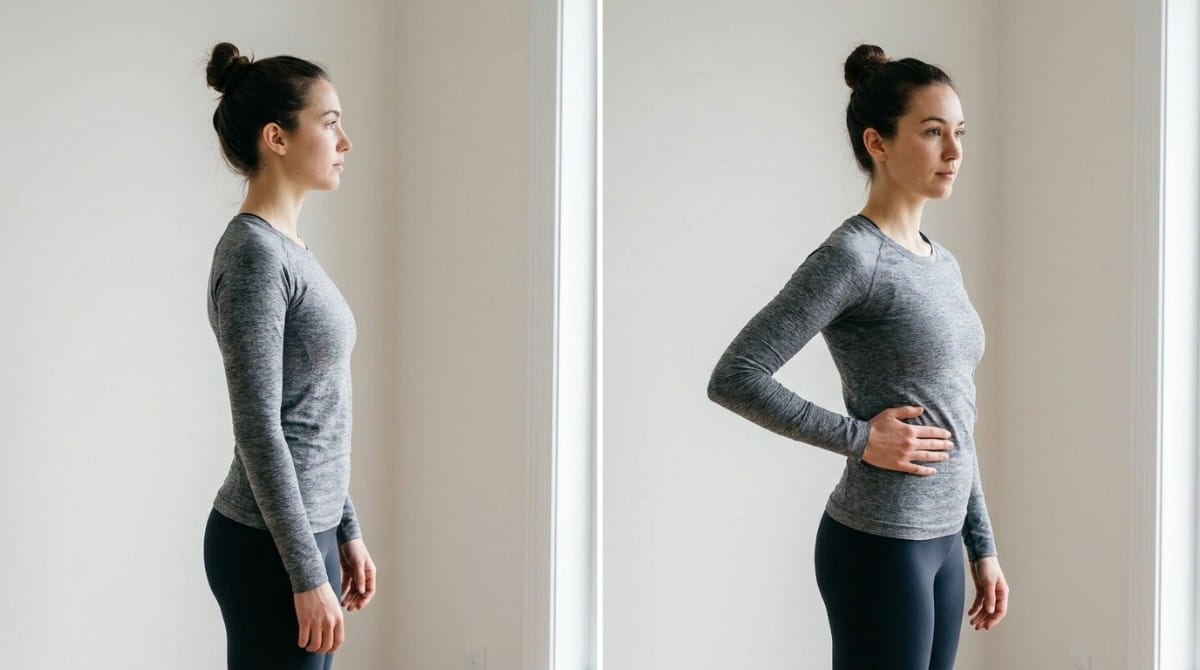
- Stand sideways in front of a mirror, feet hip-width apart, in relaxed everyday posture.
- Notice your lower back curve. A pronounced inward arch, with your belly tipping forward and glutes pushing back, suggests anterior tilt.
- Try the wall test: stand with your heels, hips, and shoulders against a wall. Slide a flat hand behind your lower back. If there's a large gap, more than about the thickness of your hand, that's another sign.
- Compare both sides over a few days, since posture shifts slightly depending on fatigue and activity.
This isn't a diagnosis. It's a starting point to decide whether targeted work makes sense for you.
| Pelvis Position | Appearance | Common Cause |
|---|---|---|
| Neutral | Balanced curve, hips level | No dominant imbalance |
| Anterior tilt | Increased lower back arch, belly forward | Tight hip flexors, weak glutes |
| Posterior tilt | Flattened lower back, tucked pelvis | Tight hamstrings, weak hip flexors |
What Happens If Anterior Pelvic Tilt Goes Untreated?
Left alone, this pattern tends to compound over time:
- Ongoing lower back pain, since the extra arch puts more load on the lower spine.
- Hip discomfort, especially around the front of the hip where the flexors stay chronically shortened.
- Weaker overall core stability, which can affect everything from walking to lifting.
- Poor form during exercise, particularly squats and deadlifts, where an exaggerated arch increases injury risk.
⚠️ When NOT to self-treat: If you feel pain shooting down your leg, numbness, or tingling, that's a sign to see a doctor or physiotherapist rather than working through a stretching routine alone.
When This Approach Doesn't Work
Self-guided correction isn't the right fit for everyone:
- Pregnancy-related pelvic changes are common and usually resolve differently than typical anterior pelvic tilt, so they need their own approach.
- Structural or congenital pelvic differences need a professional assessment, not a home stretching routine.
- If your self-test is inconclusive or you're not confident reading your own posture, hip flexor pain when sitting covers a related, more specific pattern that might be a clearer starting point.
- If pain is sharp, radiating, or getting worse week over week, see a professional before continuing any exercise plan.
Best Exercises for Anterior Pelvic Tilt (Quick List)
- Kneeling hip flexor stretch. Loosens the tight muscles pulling your pelvis forward. Hold 30 seconds per side.
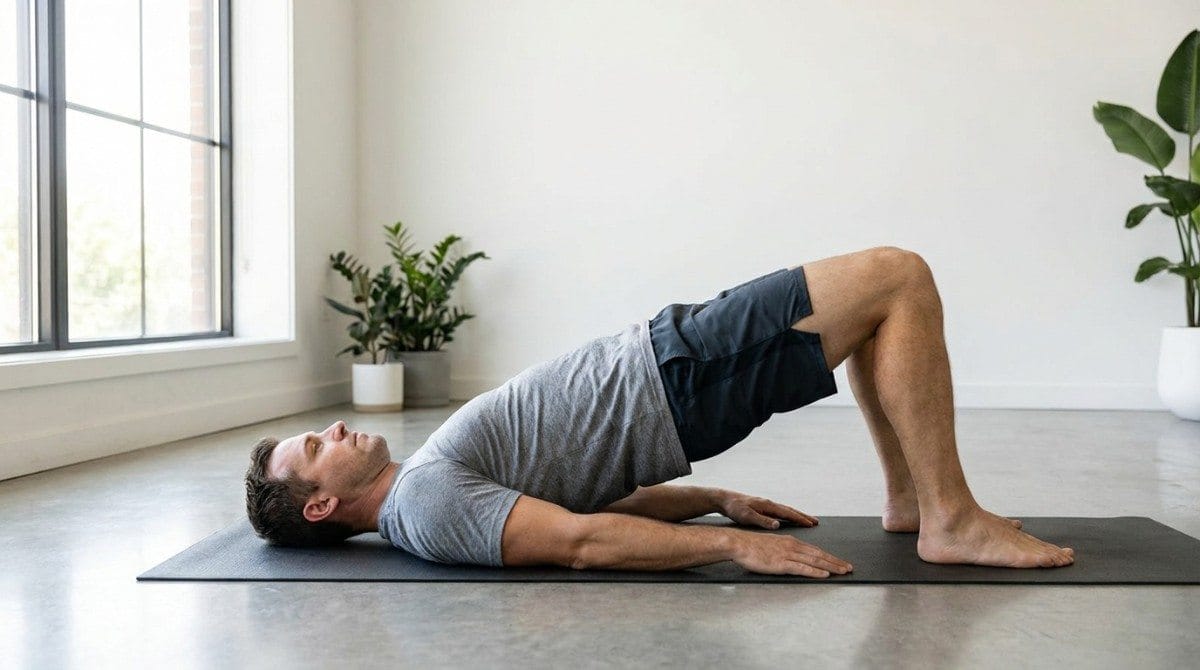
- Glute bridges. Activates the glutes that should be counterbalancing your hip flexors.
- Dead bugs. Builds core control that helps hold your pelvis in a neutral position under movement.
- Standing glute squeezes. A quick, repeatable cue throughout the day, especially useful for glute activation after long sitting stretches.
- Hamstring stretches. Balances out the pull from tight hip flexors on the opposite side of the pelvis.
Research & Expert Insight
Physiotherapists often recommend pairing hip flexor stretching with glute strengthening, rather than doing either alone, since anterior pelvic tilt is a two-sided imbalance. Posture specialists suggest checking pelvis position regularly during any general posture correction routine, since it's easy to overlook. Research in musculoskeletal rehab shows that combined stretch-and-strengthen programs produce more consistent improvement in pelvic alignment than stretching-only approaches, and that improvements tend to hold better when people keep training the posterior chain even after their posture visibly improves.
Step-by-Step Recovery Framework: How to Fix Anterior Pelvic Tilt
- Confirm the pattern. Run the wall test above, ideally on two or three separate days.
- Stretch what's tight. Focus daily hip flexor and hamstring stretches into your routine.
- Strengthen what's weak. Add glute bridges and dead bugs three to four times a week.
- Adjust sitting habits. Stand and reset your hips every 30 to 45 minutes if you sit most of the day.
- Recheck your progress every two to three weeks using the same self-test.
- Fold it into your broader posture routine, since pelvic position affects your whole spine. 15 best posture exercises is a good next step once your pelvis starts moving toward neutral.

Most people expect this to be a quick fix. It isn't. how long does posture correction take sets realistic expectations so a slower week doesn't feel like failure.
Final Takeaway
Anterior pelvic tilt is common, gradual, and almost always fixable with consistent, targeted work. The key is treating it as a two-sided problem: loosen the tight hip flexors pulling your pelvis forward, and strengthen the glutes and core that should be holding it back. Skip either half, and the pattern tends to creep back.
A generic hip flexor stretch pulled off YouTube doesn't know whether your pelvis is actually tilted, or by how much. It just assumes you need it. That guesswork is exactly why so many people stretch for months without seeing their posture actually change.
Backed AI scans your posture through your phone camera, flags patterns like anterior pelvic tilt, rounded shoulders, or forward head posture specifically, and builds a routine around what it actually finds instead of a generic list. Three things make that different from a stretching routine you found online:
- Personalized to your real pattern, not a guess based on common complaints.
- Progress tracking that adapts your exercises as your pelvic position and strength actually improve.
- Consistency built in, with reminders that keep a two-sided fix like this one from quietly turning into a one-sided stretch habit.
If you've been stretching your hip flexors for weeks with nothing to show for it, the missing piece is usually the strengthening half, and knowing exactly how much progress you've made. Download Backed AI and start correcting your posture today.
FAQ
What causes anterior pelvic tilt? It's usually caused by a combination of tight hip flexors, weak glutes, weak core muscles, and long hours spent sitting, rather than a single cause.
How do I know if I have anterior pelvic tilt? Stand sideways in a mirror and check for an exaggerated lower back arch, or try the wall test: stand against a wall and check the gap behind your lower back with a flat hand.
Can anterior pelvic tilt be fixed? Yes, in most cases. Stretching tight hip flexors while strengthening glutes and core muscles together typically improves pelvic alignment over several weeks.
How long does it take to fix anterior pelvic tilt? Most people notice visible improvement within 4 to 8 weeks of consistent stretching and strengthening, though the exact timeline depends on how long the pattern has been present.
Does anterior pelvic tilt cause lower back pain? It can. The increased arch places extra load on the lower spine, which is a common contributor to ongoing lower back discomfort.