Lower Lumbar Pain Stretches: 10 Safe Moves That Actually Relieve Back Pain
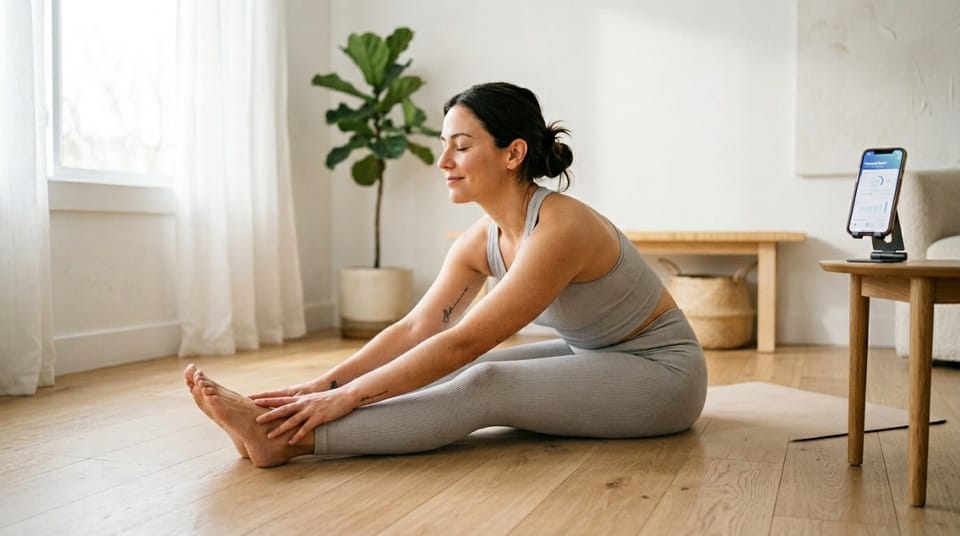
Lower lumbar pain stretches can reduce stiffness, ease muscle tension, and help you move without wincing - often within a single session. The key is choosing stretches that are safe for your current pain level and doing them consistently.
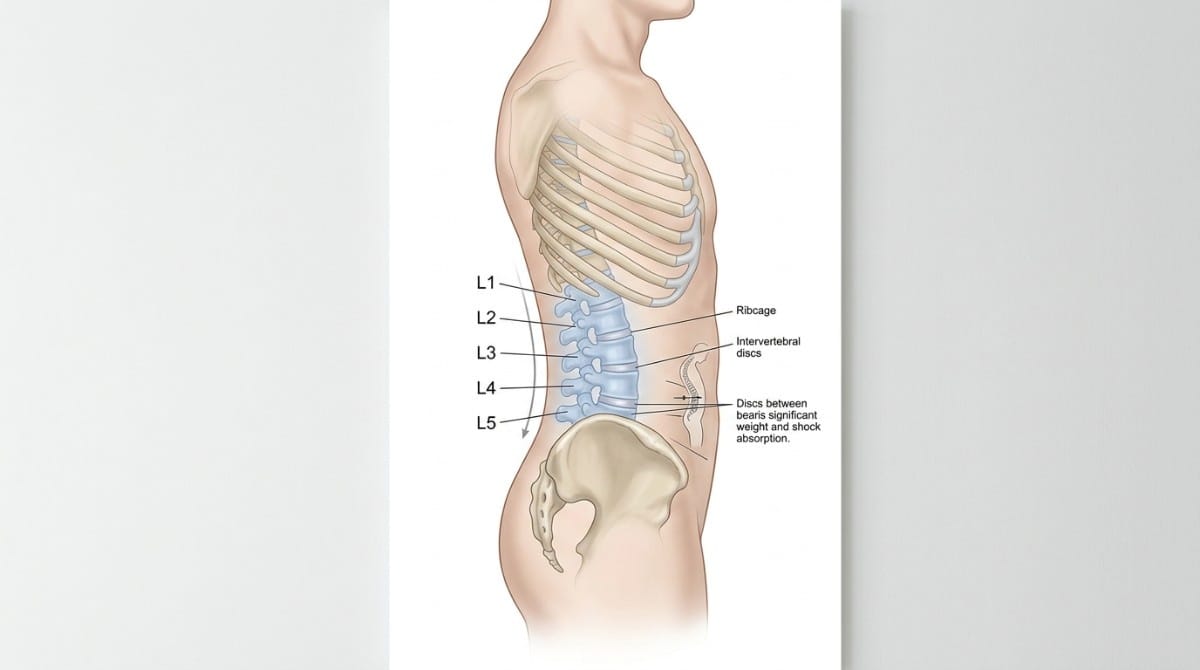
Lower lumbar pain is discomfort or tightness in the lowest section of the spine (L1-L5), commonly caused by muscle strain, prolonged sitting, or poor movement patterns.
TL;DR
- Lower lumbar pain is usually muscular and responds well to targeted stretching
- Safe stretches include knee-to-chest, cat-cow, child's pose, and piriformis stretch
- Avoid deep forward folds or twists when pain is acute (first 48-72 hours)
- Consistency matters more than intensity - 10 minutes daily beats 1 hour weekly
- Stretching alone won't fix the root cause; pairing with strengthening exercises is essential
- Backed AI can build you a personalised stretch and rehab plan based on your posture scan
What Is Lower Lumbar Pain?
The lumbar spine is the lower portion of your back - the five vertebrae (L1-L5) that sit between your ribcage and pelvis. This area carries most of your body weight and absorbs impact from almost every movement you make.
Lower lumbar pain refers to pain, tightness, or aching in this region. It's one of the most common musculoskeletal complaints worldwide, affecting desk workers, manual labourers, and everyone in between.
Most lumbar pain is mechanical - meaning it comes from how your muscles, joints, and connective tissues are functioning (or not functioning), rather than from structural damage.
Why Does Lower Lumbar Pain Get Worse Without Stretching?
When the lower back muscles are tight, they pull on surrounding structures - the pelvis, hips, and sacrum - creating a chain of tension.
Without regular movement and stretching:
- Muscles shorten and lose flexibility
- Blood flow to the area decreases
- Fascia (connective tissue) becomes stiff and adhered
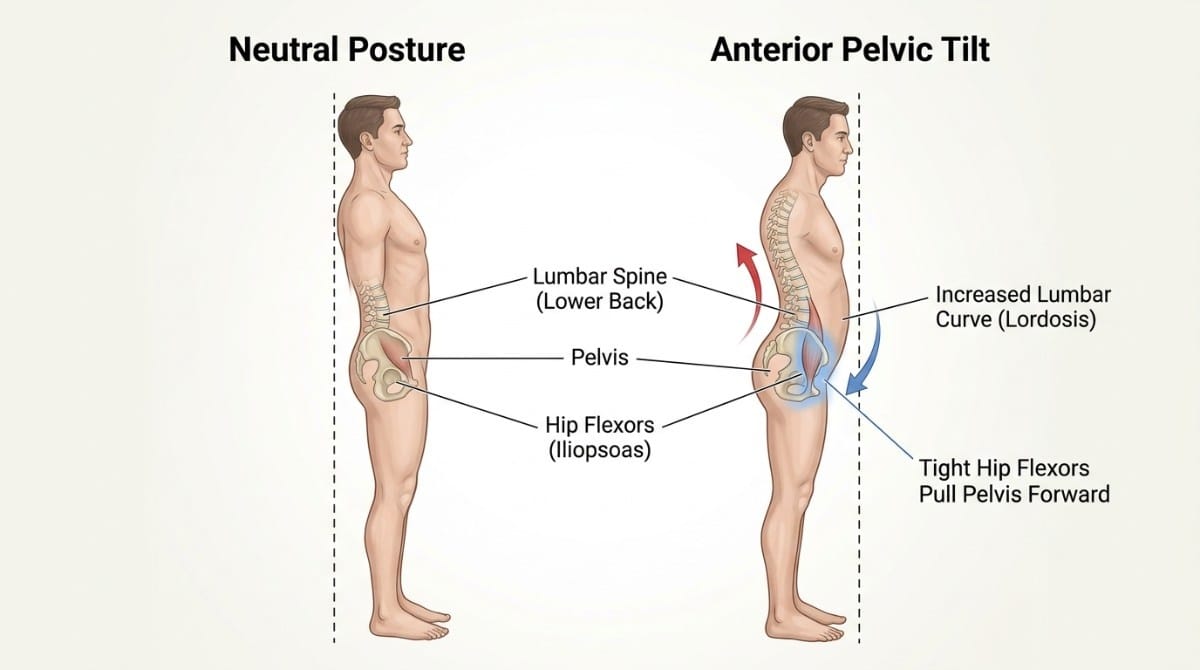
- The pelvis can tilt forward (anterior pelvic tilt), increasing lumbar compression
- Pain signals amplify as the nervous system becomes sensitised
This is why many people notice their lower back pain is worst first thing in the morning or after long periods of sitting. The muscles have been static, circulation is low, and everything locks up.
If you've noticed your lower back keeps aching after long days at a desk, you're not alone - and you're not broken. You just need consistent movement. As covered in our guide to why your back pain keeps coming back, recurring pain almost always traces back to unresolved muscle imbalances and lack of corrective movement.
How to Know If You Should Stretch or Rest
Not all lower lumbar pain is the same. Before starting any stretching routine, a quick check matters.
Posture specialists suggest: if your pain is below a 6/10 and not radiating to your legs, most stretches below are safe to begin.
Best Lower Lumbar Pain Stretches (Quick List)
These stretches are designed for people actively dealing with lower back discomfort. They are safe, do not require equipment, and can be done on a mat at home.
1. Knee-to-Chest Stretch Lie on your back. Pull one knee gently to your chest and hold for 20-30 seconds. Releases lumbar compression and hip flexor tension. Switch sides.
2. Double Knee-to-Chest Same as above but both knees together. Gently rounds the lower back and decompresses the lumbar vertebrae.
3. Cat-Cow Mobilisation On hands and knees, alternate between arching and rounding your back. 10-15 slow reps. One of the best warm-up stretches for a stiff lower back.
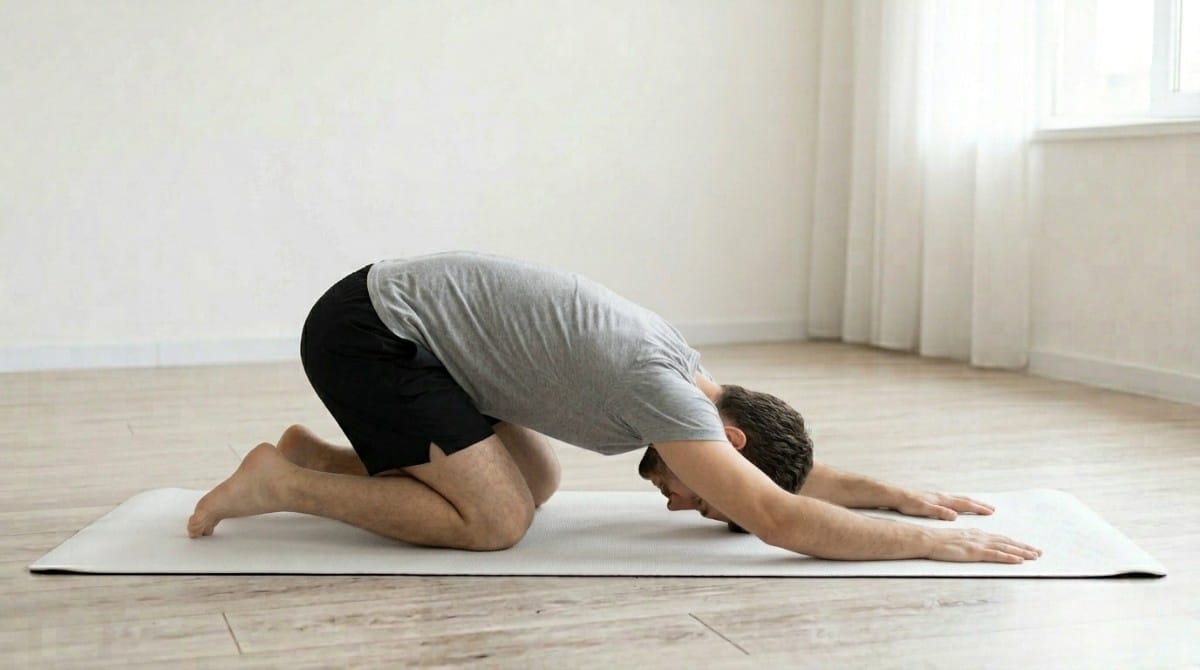
4. Child's Pose Kneel and reach arms forward, lowering chest toward the floor. Hold 30-60 seconds. Decompresses the entire lumbar spine and gently stretches the glutes.
5. Supine Twist (Lumbar Rotation Stretch) Lie on your back, drop bent knees slowly to one side. Hold 20-30 seconds each side. Reduces rotational tension in the lumbar fascia.
6. Piriformis Stretch (Figure-4) Lie on your back. Cross one ankle over the opposite knee and gently press the knee away. Releases the piriformis muscle, which often contributes to lower lumbar and sciatic-like pain.
7. Hip Flexor Lunge Stretch From a low lunge position, shift weight forward gently. Releases the iliopsoas - the hip flexor that pulls the lumbar spine forward when tight. Our full guide to tight hip flexors and lower back pain explains this connection in depth.
8. Seated Forward Fold (Modified) Sit with legs extended. Lean forward gently until you feel a light stretch. Do not force. Hold 20-30 seconds. Good for hamstring tightness pulling on the lower back.
9. Glute Bridge (Active Mobilisation) Lie on your back, feet flat. Slowly lift hips, hold 2 seconds, lower. This is both a stretch and a mild strengthening move for the glutes and lower back.
10. Pelvic Tilt Lie on your back, feet flat. Gently flatten your lower back into the floor by tightening your abs. Hold 5 seconds, release. Excellent for anterior pelvic tilt correction and lumbar alignment.
Step-by-Step Recovery Framework for Lower Lumbar Pain
Phase 1 - Days 1 to 3: Gentle Mobilisation
- Focus on cat-cow, knee-to-chest, child's pose
- 2 sessions per day, 8-10 minutes each
- Move slowly, breathe through each rep
- Avoid any stretch that increases pain
Phase 2 - Days 4 to 14: Progressive Stretching
- Add piriformis stretch, supine twist, hip flexor lunge
- Introduce glute bridges and pelvic tilts
- 1-2 sessions per day, 12-15 minutes
- Begin tracking pain levels morning vs evening
Phase 3 - Week 3 onward: Strengthening Integration
- Pair stretches with core and glute activation exercises
- Add dead bugs, bird dogs, and modified planks
- Frequency: 5 days per week minimum
- Focus on posture correction alongside stretching
Research in musculoskeletal rehab shows that combining stretching with targeted strengthening reduces recurrence of lower lumbar pain by up to 60% compared to stretching alone.
💡 Key Insight: Stretching provides relief. Strengthening prevents the pain from returning. You need both - and in the right order.
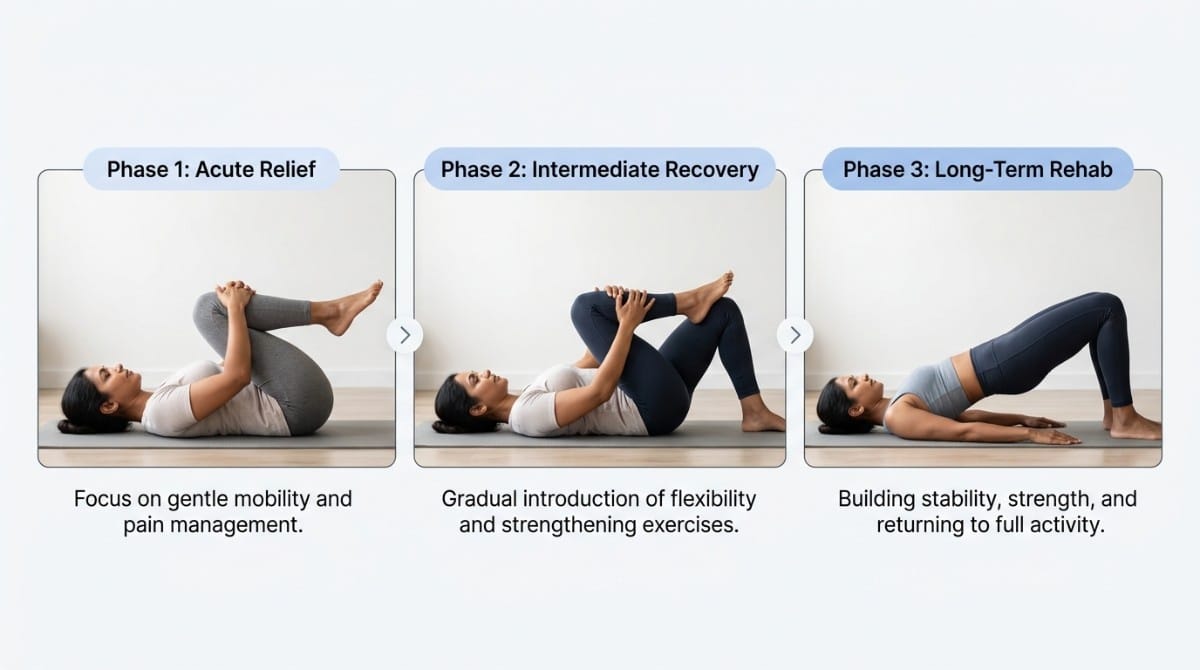
Exercises to Rehab Lower Back (Beyond Stretching)
Stretching relieves tension. Rehab exercises rebuild the support system. Physiotherapists often recommend combining both within the first two weeks of a lower back episode.
Key rehab exercises for the lumbar spine:
- Dead Bug - Core stability without spinal compression
- Bird Dog - Trains the posterior chain and lumbar stabilisers
- Modified Plank - Low-load core engagement
- Side-Lying Clamshell - Activates glutes to reduce lumbar overload
- Wall Sit - Isometric lower body strengthening
For a complete bodyweight programme, see our guide to bodyweight back exercises for posture and pain relief.
When This Approach Doesn't Work
Stretching and rehab exercises are effective for the vast majority of lower lumbar pain cases - but not all.
Stretching alone may not work if:
- Your pain is caused by a disc herniation or nerve impingement
- You have structural spinal stenosis or spondylolisthesis
- Pain is severe (above 7/10) or worsening after 2 weeks of stretching
- You experience numbness, tingling, or weakness in the legs
- Pain began after a significant fall or accident
In these cases, a physiotherapist or spinal specialist should assess you before continuing.
Research & Expert Insight
Studies consistently show that active recovery - movement, stretching, and exercise - outperforms rest for most types of lower lumbar pain.
- A 2021 review in Spine Journal found that supervised stretching programs significantly reduced pain intensity in adults with chronic lower back pain within 4 weeks
- Physiotherapists often recommend starting with gentle mobilisation within 24-48 hours of a non-acute lower back episode
- Posture specialists suggest addressing hip flexor and hamstring tightness alongside lumbar stretching, as these muscles directly influence lumbar curve
The 2023 British Journal of Sports Medicine guidelines recommend exercise - including targeted stretching - as a first-line treatment for non-specific lower back pain, ahead of passive therapies like massage alone.
What Happens If You Ignore Lower Lumbar Pain?
Most lower lumbar pain that goes untreated doesn't just go away - it evolves.
Short-term neglect leads to:
- Muscle compensation patterns (other muscles overworking)
- Increased stiffness and reduced range of motion
- Higher risk of acute injury from simple movements
Long-term neglect can result in:
- Chronic lower back pain (lasting more than 3 months)
- Disc degeneration accelerating
- Postural collapse and reduced quality of life
The good news: most people who start a consistent stretch and rehab routine see meaningful improvement within 2-4 weeks. You don't need to wait for it to get worse.
Final Takeaway
Lower lumbar pain stretches work best when they are consistent, progressive, and paired with the right rehab exercises. Start with gentle mobilisation in the first few days, layer in targeted stretches, and build toward a full rehab programme within two weeks.
The stretches in this guide are safe, effective, and evidence-informed. But they work best when matched to your specific posture pattern, movement habits, and pain triggers - which is where personalisation matters.
For a deeper dive into why back pain cycles keep repeating, see why your back pain keeps coming back.
Why Most Exercise Plans Fail
Most people try a few YouTube stretches, feel slightly better, and stop.
Then the pain returns - usually worse than before.
Here's why generic plans fail:
- No personalisation - the same stretch doesn't work for every body type or pain pattern
- Wrong sequencing - stretching a muscle that needs strengthening first can make things worse
- No progression - bodies adapt; without progression, results plateau
- No consistency - without reminders and structure, most people stop within a week
Take the Guesswork Out With Backed AI
Generic stretches get you started. But lasting relief comes from understanding your specific posture pattern and fixing the root cause - not just the symptom.
Backed AI gives you:
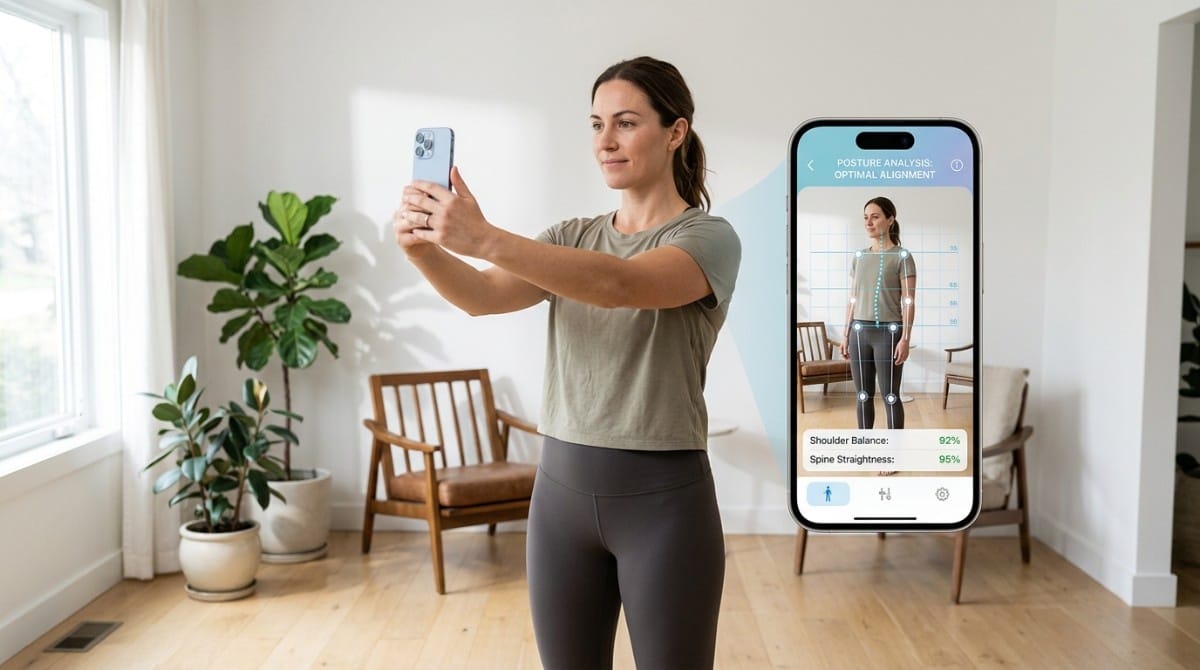
- 📱 An AI posture scan that identifies your specific lumbar alignment issues
- 🎯 A personalised corrective stretch and rehab plan - not a one-size-fits-all routine
- 📈 Progress tracking so you can see what's actually improving week by week
Instead of cycling through YouTube videos and hoping something works, Backed AI builds your recovery programme around your body - and keeps you consistent with daily habit reminders.
Download Backed AI and start correcting your posture today.
FAQ
Q1: What are the best stretches for lower lumbar pain?
The most effective lower lumbar stretches include knee-to-chest, child's pose, cat-cow, the piriformis figure-4 stretch, and supine lumbar rotation. These target the most common tension patterns in the lower back without putting the spine under load.
Q2: Is it safe to stretch your lower back when it's in pain?
Yes, for most types of lower lumbar pain. Gentle stretching is typically safe and beneficial if pain is below a 6/10 and not radiating down the leg. Avoid deep stretches or twists during the first 48 hours of an acute injury.
Q3: How long does it take for lower back stretches to work?
Most people notice reduced stiffness and improved comfort within 3-5 days of consistent daily stretching. Meaningful pain reduction typically takes 2-4 weeks when stretching is paired with targeted rehab exercises.
Q4: How often should I do lower back stretches?
Daily is ideal. Two short sessions of 10 minutes each (morning and evening) is more effective than one long session per week. Consistency is the most important factor.
Q5: Can stretching alone fix lower lumbar pain?
Stretching provides relief but rarely fixes the root cause alone. For lasting results, pair stretching with strengthening exercises that target the core, glutes, and hip flexors - the muscles that directly support the lumbar spine.