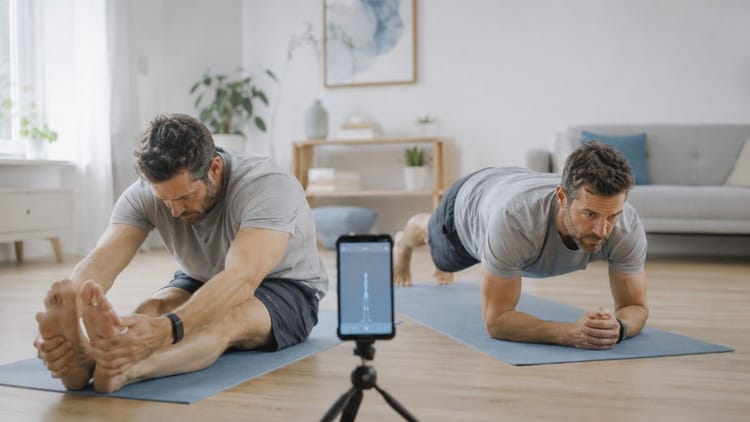
Exercises After Back Fusion: A Safe, Phased Recovery Guide

Recovering from a spinal fusion is not about pushing through pain. It's about rebuilding strength and mobility in the right order, at the right pace.
Back fusion exercises are gentle, phased movements designed to restore core stability, spinal support, and mobility after spinal fusion surgery - without putting stress on the healing vertebrae.
The right exercises can significantly improve your long-term outcome. The wrong ones can set your recovery back by weeks.
⚠️ Always follow your surgeon's or physiotherapist's specific guidance. This article provides general post-fusion exercise information and is not a substitute for personalised medical advice.
TL;DR
- 🦴 Spinal fusion surgery fuses two or more vertebrae - recovery requires careful, staged movement
- ✅ Gentle walking, breathing exercises, and light core work are typically the first phase
- ❌ Avoid bending, twisting, and heavy lifting until cleared by your surgeon
- 📅 Most people return to a fuller exercise routine at 3-6 months post-surgery
- 🔄 Consistency and progression matter more than intensity at this stage
- 📱 Apps like Backed AI can help track daily movement habits during the later recovery phase
What Is Spinal Fusion Recovery?
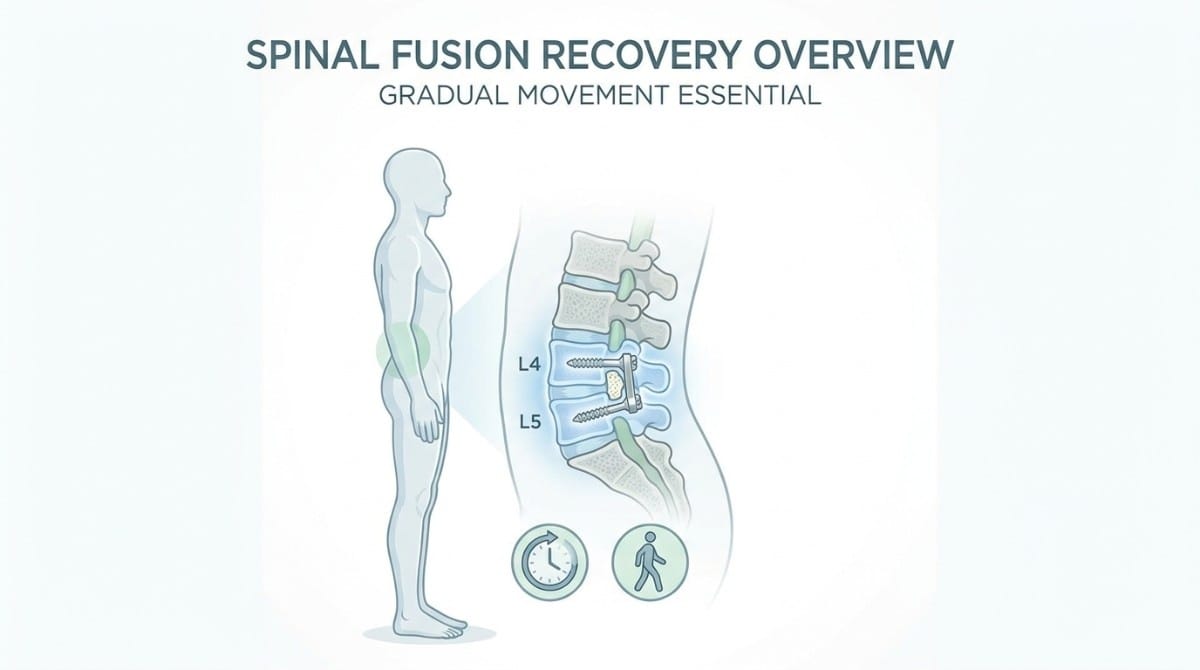
Spinal fusion surgery joins two or more vertebrae in your spine using bone graft material, rods, or screws. The goal is to eliminate painful movement between unstable segments.
Recovery means allowing those vertebrae to fully fuse together - a process that takes time and the right kind of movement support.
Why Does Movement Matter After Spinal Fusion?
Staying completely still after fusion is not the answer.
Research in post-surgical musculoskeletal rehab shows that controlled, early movement:
- Reduces scar tissue buildup around the fusion site
- Prevents muscle wasting in the surrounding support structures
- Supports circulation, which aids bone healing
- Improves long-term functional outcomes
Physiotherapists often recommend beginning light movement within 24-48 hours of surgery - starting with walking, not exercise programs.
The muscles around your spine - especially the core and glutes - weaken quickly after surgery. Rebuilding them is what protects the fused segment long-term.
The 3 Phases of Back Fusion Exercises
Phase 1 - Weeks 1 to 6: Gentle Activation
The priority here is movement without load. No stretching of the fusion site. No twisting.
Best exercises in Phase 1:
- Short, slow walks - Begin with 5-10 minutes and increase by 2-3 minutes each day. Walking is the most recommended post-fusion activity.
- Diaphragmatic breathing - Lie on your back, breathe deeply into your belly. This activates the deep core and reduces tension without movement.
- Ankle pumps - Flex and point your feet while lying down to promote circulation.
- Heel slides - Lying on your back, slowly slide one heel along the bed until the knee bends slightly, then return. Minimal lumbar movement.
- Gentle quad sets - Tighten your thigh muscle while lying flat, hold for 5 seconds, release.
🚫 Avoid in Phase 1: Bending forward at the waist, twisting your torso, sit-ups or crunches, any exercise that causes pain at the fusion site.

Phase 2 - Weeks 6 to 12: Building Core Stability
Once your surgeon gives clearance, you can begin gentle core activation. This is not about intensity - it's about relearning how to engage the muscles that protect your spine.
Best lower back fusion exercises in Phase 2:
- Dead bug (modified) - Lie on your back, knees bent. Slowly extend one arm overhead while keeping your lower back flat. Return and alternate sides.
- Pelvic floor activation - Gently contract the pelvic floor (as if stopping urination), hold for 5 seconds, release. This builds the deep stability layer.
- Glute bridges (partial) - Lie on your back with knees bent. Gently raise your hips 2-3 inches off the floor. Hold briefly, lower slowly. If you want a deeper guide to activating these muscles after sitting, this glute activation breakdown is a useful reference.
- Bird dog (modified) - On hands and knees, extend one arm forward while keeping the spine neutral. No rotation. Alternate sides.
- Standing wall support - Stand facing a wall with hands lightly resting on it. Practice holding a neutral spine for 30-60 seconds. This rebuilds postural endurance.
💡 Key Insight: The deep core muscles - particularly the transverse abdominis and multifidus - are the primary stabilisers of your fused segments. Most generic exercise programs skip these entirely. Rebuilding them is what separates a good recovery from a painful relapse.

Phase 3 - Month 3 Onwards: Functional Strength
With your surgeon's clearance, you can begin building functional strength and mobility. This is still not a return to the gym as you knew it - it's a careful, progressive rebuild.
Back fusion exercises for Phase 3:
- Supported squats - Using a chair or wall for balance. Keep your spine neutral and hinge from the hips. Builds leg and glute strength without spinal load.
- Standing hip hinge (bodyweight) - Hinge at the hips with a flat back while standing. Teaches the spine to load correctly.
- Side-lying hip abduction - Lying on your side, raise the top leg 30-40 degrees. Builds glute medius without lumbar strain.
- Seated rowing (resistance band) - Light resistance, seated upright. Builds upper back and postural muscles.
- Walking (progressive) - Increase to 20-30 minutes daily. Add gentle inclines when comfortable.
If tight hamstrings or hip flexors are pulling on your lower back during recovery, this guide to tight lower back stretches offers safe movements that complement fusion recovery.

Research & Expert Insight
Posture specialists suggest that patients who follow a phased, progressive exercise approach report better long-term pain outcomes than those who either rest completely or return to exercise too quickly.
Research in musculoskeletal rehab consistently highlights that spinal fusion patients who rebuild core stability in the first 12 weeks have a lower rate of adjacent segment issues (problems at the vertebra above or below the fusion).
If you're noticing your back pain pattern returning after the initial recovery period, understanding why back pain keeps coming back may help you identify what's driving that pattern.
Step-by-Step Recovery Framework
Week 1-2: Walk 5-10 minutes twice a day. Focus on breathing and heel slides.
Week 3-4: Extend walks to 15 minutes. Add ankle pumps and quad sets.
Week 5-6: Check in with your surgeon. Begin pelvic floor work and dead bug if cleared.
Week 7-10: Add glute bridges, bird dog, and wall standing drills.
Month 3: Begin Phase 3 functional exercises with clearance. Add resistance band work.
Month 4-6: Gradually increase walking duration and introduce supported strength exercises.
When This Approach Doesn't Work
Post-fusion exercises don't work when:
- You begin Phase 2 or 3 movements before surgical clearance
- Pain at the fusion site increases during or after exercise (stop and consult your surgeon)
- You skip the deep core phase and jump straight to "regular" training
- You follow a generic back pain program that wasn't designed for post-surgical recovery
- The fusion itself has not healed adequately - which requires imaging, not guesswork
🚫 If you experience new radiating pain, numbness, tingling, or significant swelling, stop exercising and contact your medical team immediately.
Building Long-Term Habits After Fusion
The hardest part of post-fusion recovery isn't the early weeks - it's staying consistent during months 3-6 when you feel better but are still healing.
Most setbacks happen at this stage because people either overdo it or abandon their routine entirely.
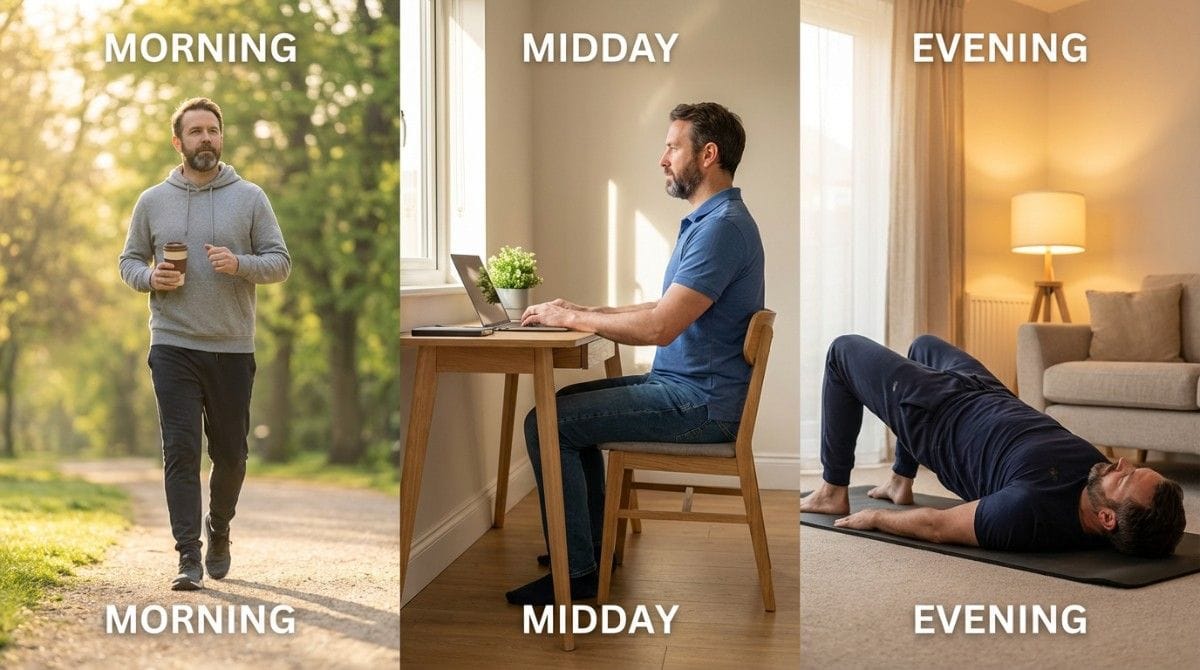
The key is building a daily habit of short, focused movement - not long gym sessions. Even 10-15 minutes of targeted core and posture work each day is more effective than occasional high-intensity sessions.
Building habits that prevent lower back pain from returning covers exactly this - the long-term consistency approach that keeps the spine supported.
Final Takeaway
Back fusion surgery changes your spine permanently. The exercises you do in the months that follow will determine how well it functions for years to come.
Start with walking. Progress to deep core work. Build functional strength slowly and with intention.
The fused segment needs the surrounding muscles to carry load properly. Building those muscles is not optional - it's what makes the surgery worthwhile.
Take the Guesswork Out of Recovery 📱
This is exactly where Backed AI makes a difference.
Backed AI is an AI posture correction and recovery app that gives you a personalised, camera-based assessment - not a generic program.
- 📊 AI posture analysis: Backed scans your posture using your phone's camera and identifies imbalances that may be putting extra load on your recovery area
- 🎯 Personalised exercise programming: Routines adapt to your current condition, not a template built for someone else
- 🔄 Habit-building reminders: Stay consistent through the hardest phase of recovery - months 3-6 - with daily check-ins that take under 15 minutes
If you're approaching the later phases of your fusion recovery and want to rebuild posture and core strength in a structured, personalised way, Backed AI gives you the tracking and accountability that generic programs simply can't.
Download Backed AI and start correcting your posture today.
FAQ
Q1: When can I start exercising after a back fusion? Most surgeons recommend beginning with gentle walking within 24-48 hours of surgery. Structured core and mobility exercises typically begin at 6-12 weeks, depending on your surgeon's clearance and how well the fusion is healing.
Q2: What are the best exercises after a lower back fusion? The best lower back fusion exercises follow a phased approach: short walks and breathing exercises in weeks 1-6, gentle core activation (dead bug, glute bridges, bird dog) in weeks 6-12, and progressive functional strength from month 3 onwards.
Q3: What exercises should I avoid after spinal fusion? Avoid forward bending, twisting, sit-ups, crunches, heavy lifting, and any impact activity until you have specific clearance from your surgeon. These movements place direct stress on the healing fusion site.
Q4: How long does it take to fully recover from a back fusion? Bone fusion itself takes 3-6 months, and sometimes up to a year for full solid fusion. Functional recovery - rebuilding strength, mobility, and daily activity capacity - typically takes 6-12 months with consistent rehabilitation.
Q5: Can I use a posture app during back fusion recovery? In the later phases of recovery (typically from month 3 onwards), AI posture apps like Backed AI can support rehabilitation by identifying postural imbalances and delivering personalised exercise routines. They should complement, not replace, guidance from your surgical and physiotherapy team.