Pain between the shoulder blades is discomfort in the upper-mid (thoracic) back between your scapulae, most often caused by muscle strain, rounded posture, or prolonged sitting rather than a serious medical problem.
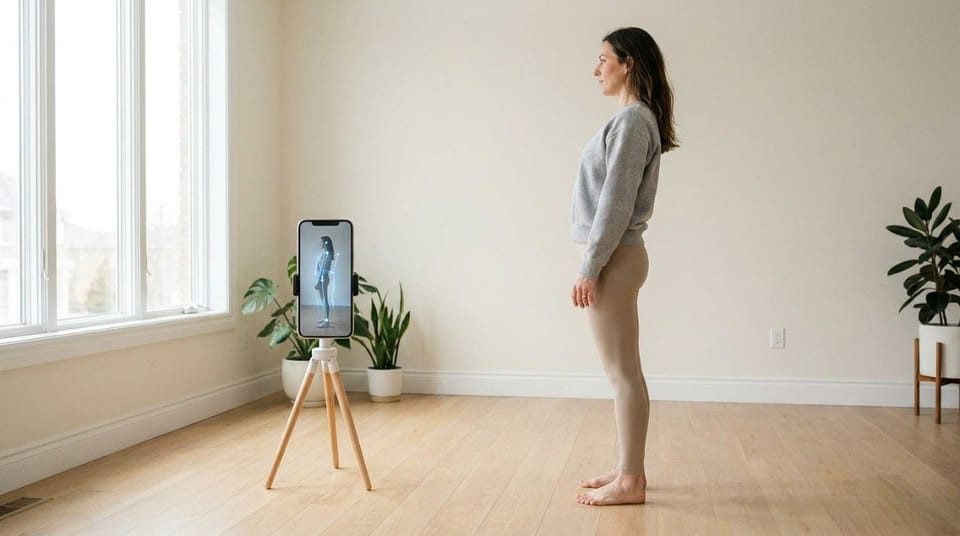
An AI posture correction app is a mobile tool that uses your phone camera to analyze your posture, identify imbalances, and deliver a personalized corrective exercise and habit plan.
Failing to fix your posture is usually a consistency and feedback problem, not a willpower problem, because the body reverts to old alignment whenever corrective effort is irregular, unguided, or invisible.
Posture correction is the gradual process of retraining muscles, joints, and movement habits to restore your spine's natural alignment, and it typically takes weeks to months depending on severity and consistency.
Morning lower back pain is stiffness or aching in the lumbar spine that appears on waking and usually eases within 30 to 60 minutes of movement, caused by overnight immobility, sleep posture, or an unsupportive sleep surface.