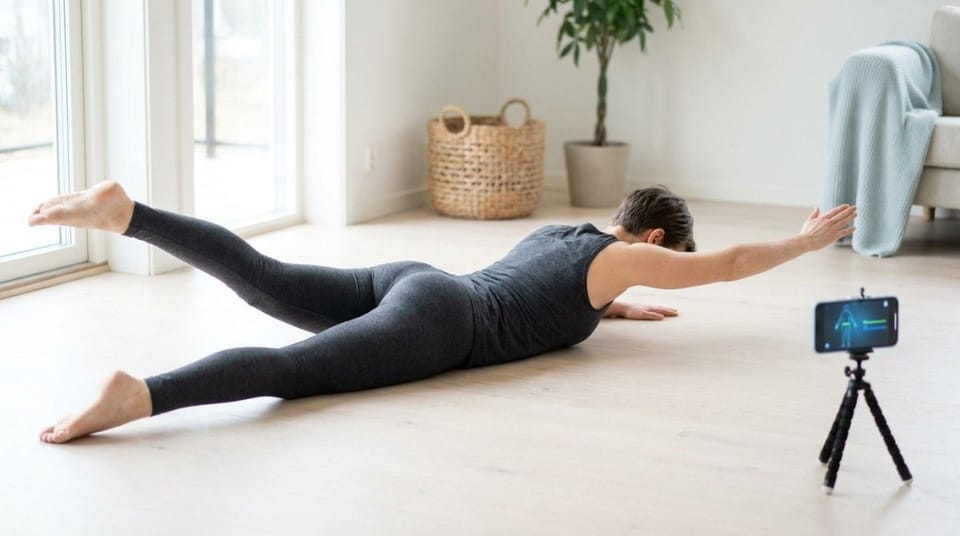
Core strength exercises for back pain are targeted movements that train the deep stabilizing muscles of your trunk – the transverse abdominis, multifidus, obliques, and pelvic floor – to support your spine and reduce strain on the lower back.
Sciatica is irritation of the sciatic nerve that causes pain, tingling, or numbness from the lower back or buttock down one leg, and sitting and standing each load that nerve in different ways.
Sciatica is irritation of the sciatic nerve that sends pain, tingling, or numbness from the lower back or buttock down one leg, and sitting makes it worse by compressing the nerve and the muscles around it.
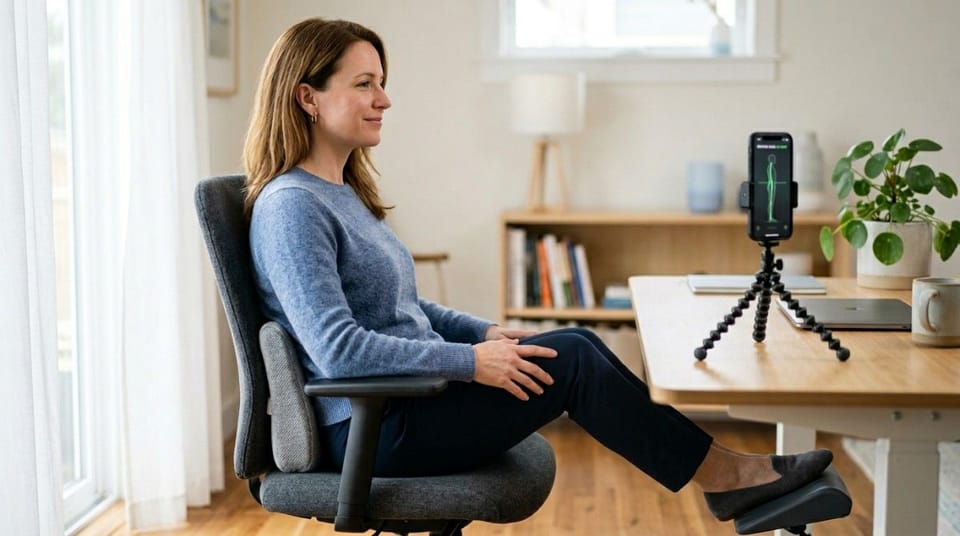
Sciatica from sitting is irritation or compression of the sciatic nerve caused by prolonged seated pressure, tight hip muscles, and reduced movement, producing pain that radiates from the lower back or buttock down one leg.
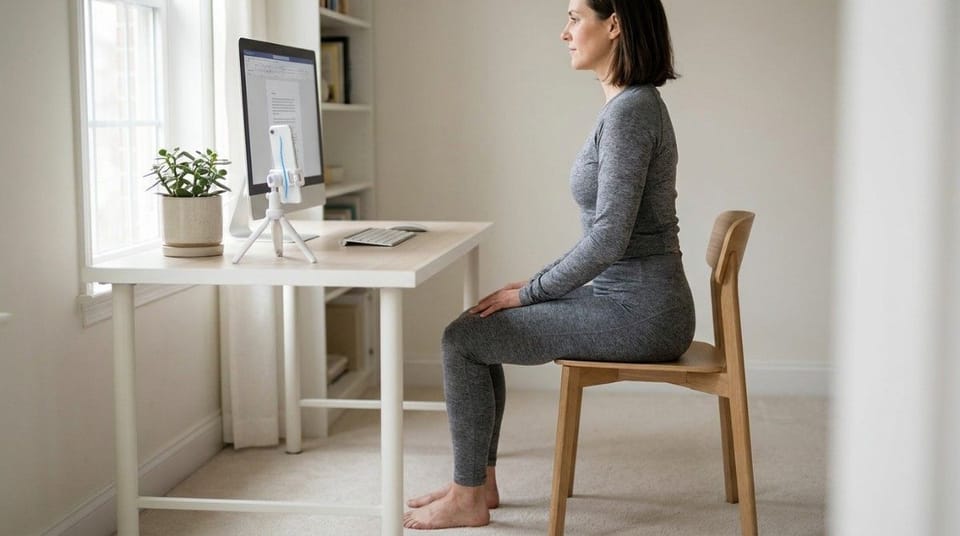
Neutral sitting posture is a seated position where the spine keeps its natural curves, the pelvis stays balanced, and load spreads evenly across the lower back rather than concentrating in one area.