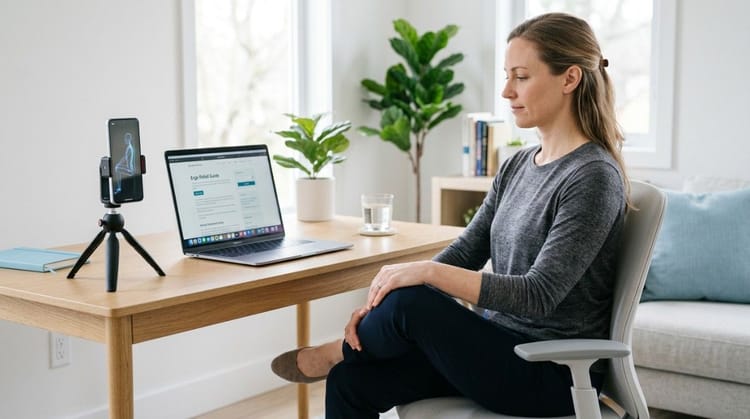
AI Posture App vs Physiotherapy vs Generic Exercises for Sciatica: What Actually Works?
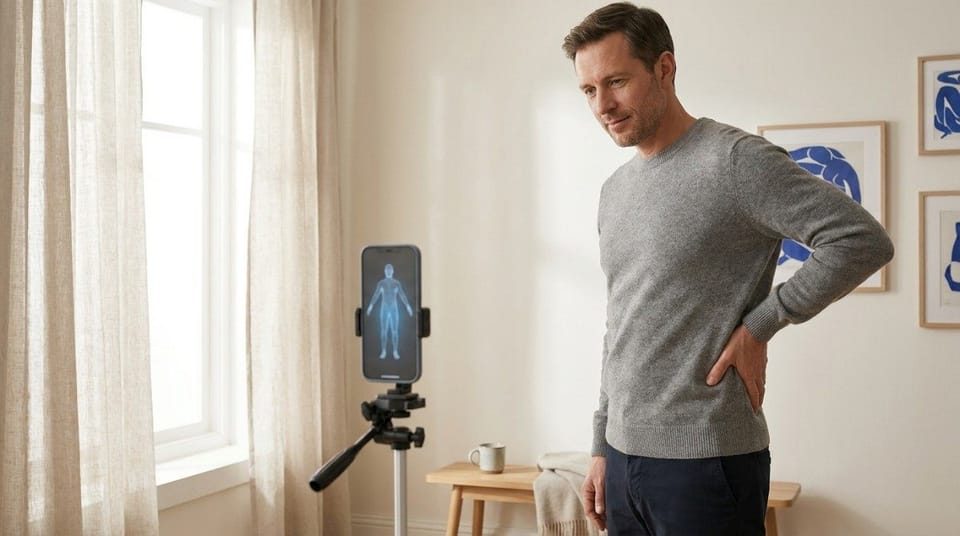
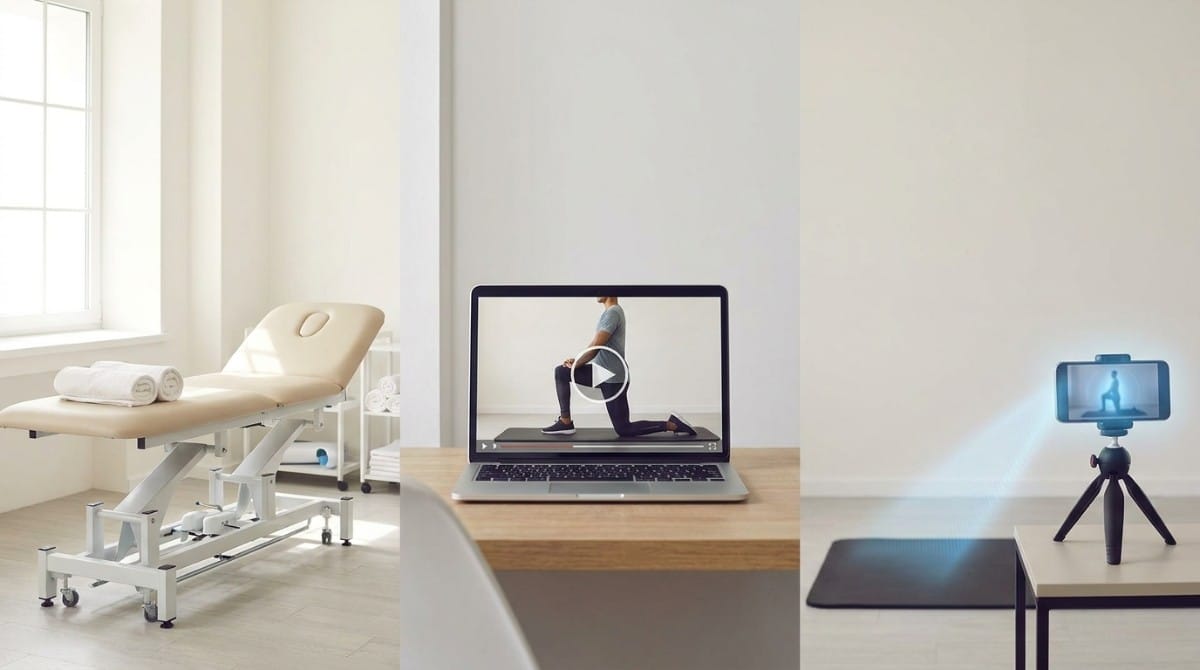
Physiotherapy offers hands-on diagnosis and professional treatment, but it costs more and requires scheduled appointments. Generic exercise videos are free but treat every case of sciatica the same way. An AI posture app sits between the two, scanning your posture to flag the patterns actually contributing to your pain. For most people, the app option produces better personalization and consistency than generic exercises, at a fraction of physiotherapy's cost, though physiotherapy is still the right first step for anyone with red-flag symptoms.
TL;DR
- Physiotherapy gives you professional diagnosis and hands-on treatment, but it costs more and needs scheduled appointments. 🩺
- Generic sciatica exercise videos are free but treat everyone's pain the same way, regardless of the actual cause.
- AI posture apps scan your posture, flag contributing patterns like anterior pelvic tilt or prolonged sitting, and build a routine around your specific case.
- Cost-wise, apps typically fall well below physiotherapy while offering far more personalization than a generic video.
- Physiotherapy is still the right first step if you have red-flag symptoms or an unclear diagnosis.
- Many people get the best results combining an initial physio evaluation with ongoing app-guided tracking.
What Are Your Options for Treating Sciatica?
The three most common paths for managing sciatica are in-person physiotherapy, generic online exercise routines, and AI-guided posture apps that personalize a plan based on your specific pattern. Each has a real place, and the right one depends heavily on how severe your case is and what's actually causing it.
If you haven't confirmed what you're dealing with yet, what is sciatica covers the causes and symptoms in detail before you pick a treatment path.
How Does Physiotherapy Help With Sciatica?
A physiotherapist can physically assess your movement, rule out serious causes, and prescribe exercises matched to your exact situation. That hands-on diagnosis is genuinely valuable, especially for anyone unsure what's actually triggering their pain.
The trade-off is access. Appointments cost money, often need a referral, and usually mean waiting days or weeks between sessions. For mild to moderate, posture-driven sciatica, that gap between appointments can slow your progress.
Why Do Generic Exercise Videos Often Fail for Sciatica?
A free YouTube routine can't tell whether your sciatica comes from a tight piriformis, a disc issue, or hours of sitting. It just runs through the same five stretches regardless of your actual trigger.
That matters more than it sounds. The wrong stretch for the wrong cause can aggravate symptoms instead of easing them. can you get sciatica from sitting too much shows how differently sitting-related sciatica needs to be handled compared to other causes.
💡 Key Insight: Generic exercises assume everyone's sciatica looks the same. It doesn't. Two people with identical symptoms can need almost opposite corrective approaches depending on what's actually compressing the nerve.
| Factor | AI Posture App | Physiotherapy | Generic Exercises |
|---|---|---|---|
| Cost | Low, subscription-based | Higher, per session | Free |
| Personalization | Scans your specific pattern | Full professional assessment | None |
| Access | Anytime, on your phone | Scheduled appointments | Anytime |
| Best for | Mild to moderate, pattern-driven cases | Unclear diagnosis, severe symptoms | Very mild, occasional flare-ups |
| Main limitation | No hands-on diagnosis | Cost and scheduling | Treats every case the same |
What Happens If You Mix Approaches Without a Plan?
Combining treatments isn't a problem by itself. Doing it without any structure often is.
- Conflicting exercises. A physio-prescribed stretch and a random online routine can work against each other if they target opposite muscle groups.
- No way to track what's helping. Without tracking, it's hard to tell which part of your routine is actually working.
- Overloading the area. Too many different exercises at once can aggravate an already irritated nerve instead of calming it.
⚠️ When NOT to self-treat: If you have leg weakness, numbness in the groin or inner thighs, or any loss of bladder or bowel control, skip self-guided options entirely and get medical care right away.
When This Approach Doesn't Work
Self-guided options, app or generic exercises, aren't right for every case:
- Any red-flag symptoms mean physiotherapy or medical care first, not an app or a video.
- If your sciatica followed a specific injury or accident, get a professional evaluation before starting any routine.
- If imaging or a structural diagnosis is needed, no app or exercise routine can substitute for that.
- If you've tried self-guided approaches for three or more weeks with no improvement, it's time to escalate to a professional.
Best Approach for Your Sciatica Situation (Quick List)
- Choose physiotherapy if your diagnosis is unclear, your pain is severe, or you have any red-flag symptoms.
- Choose an AI posture app if your sciatica is mild to moderate and likely linked to posture or sitting habits, and you want a routine that adapts as you improve.
- Choose generic exercises if you've already confirmed a low-risk, occasional flare-up and just want a quick, free stretch.
- Combine physiotherapy with app-based tracking if you want a professional starting diagnosis plus ongoing, personalized follow-through.
- Skip self-treatment entirely if you're experiencing any emergency symptoms.

Research & Expert Insight
Physiotherapists often recommend starting with a professional assessment for any new or severe sciatica case, then shifting to self-guided maintenance once the cause is clear. Posture specialists suggest that ongoing tracking, not just one-time treatment, makes the biggest difference in whether relief actually lasts. Research in musculoskeletal rehab consistently shows that personalized, adaptive routines outperform static exercise plans once you look past the first few weeks of any treatment path.
Anterior pelvic tilt is one of the more common contributing patterns behind posture-driven sciatica. If you haven't checked for it, what is anterior pelvic tilt includes a simple self-test worth running before you pick a treatment path.
Step-by-Step: How to Decide Which Treatment Path Fits Your Sciatica
- Rule out red flags first. Confirm you're not dealing with an emergency symptom before choosing any self-guided option.
- Identify your likely trigger. Sitting habits, hip tightness, and pelvic alignment all point toward different starting points.
- Start with physiotherapy if unclear or severe. A professional assessment removes the guesswork for complicated cases.
- Start an AI-guided routine if mild and pattern-driven. best sciatica stretches for desk workers is a reasonable starting point while your routine gets personalized.
- Track your symptoms weekly, not daily, since nerve pain fluctuates naturally.
- Reassess after three to four weeks and escalate to a professional if progress has stalled.

Why Generic Sciatica Routines Fail So Often
The pattern is consistent across almost every self-guided attempt that stalls out:
- Inconsistency. Without any tracking, most people quietly stop within a week or two.
- Wrong exercise for the wrong cause. A stretch that helps piriformis-driven sciatica can do very little for a disc-related case, or the reverse.
- No progression. The same routine forever stops helping once your body adapts to it.
- No personalization. A generic plan treats sitting-related sciatica the same as a structural or nerve-root cause, when the fix looks different for each.
Final Takeaway
There's no single best option for every sciatica case. Physiotherapy is the right call for anything severe, unclear, or accompanied by red-flag symptoms. For everyone else dealing with mild to moderate, posture-driven sciatica, an AI-guided routine typically beats a generic video because it actually accounts for what's causing your pain, and adjusts as that changes. The goal either way is the same: stop guessing, and start treating the actual cause.
A generic sciatica stretch routine doesn't know if your pain is coming from a tight piriformis, a pelvic imbalance, or hours of sitting. It runs through the same five moves regardless, which is exactly why so many people stretch for weeks with nothing to show for it.
Backed AI scans your posture through your phone camera, flags contributing patterns like anterior pelvic tilt or prolonged sitting posture, and builds a routine around what it actually finds instead of a generic list. Three things set that apart from a random online routine:
- Personalized to your actual posture pattern, not a guess based on common complaints.
- Progress tracking that adapts your exercises as your symptoms and mobility genuinely change.
- Built-in consistency, with reminders that keep gentle daily movement from quietly turning into another abandoned routine.
If a generic routine hasn't moved the needle and you've already ruled out anything serious, the missing piece is usually personalization, not more stretches. Download Backed AI and start correcting your posture today.
FAQ
Is an AI posture app as good as physiotherapy for sciatica? Not for severe or unclear cases, where a professional diagnosis matters most. For mild to moderate, posture-driven sciatica, an AI app often provides better personalization and consistency than generic self-care.
How much does physiotherapy cost compared to an AI posture app for sciatica? Physiotherapy typically involves per-session fees over weeks of appointments, while AI posture apps are usually a low-cost subscription, making them a more affordable ongoing option once any serious causes are ruled out.
Can generic sciatica exercises make things worse? Yes. The wrong stretch for the wrong underlying cause can aggravate the nerve instead of relieving it, since generic routines don't account for what's actually triggering your symptoms.
Should I see a physiotherapist before trying an app? If your symptoms are severe, unclear, or include any red-flag signs like leg weakness or numbness, yes. For mild, posture-related cases, many people start with an app and escalate if needed.
What's the best combination approach for sciatica relief? Many people get the strongest results from an initial physiotherapy evaluation to confirm the cause, followed by ongoing AI-guided tracking to stay consistent between check-ins.