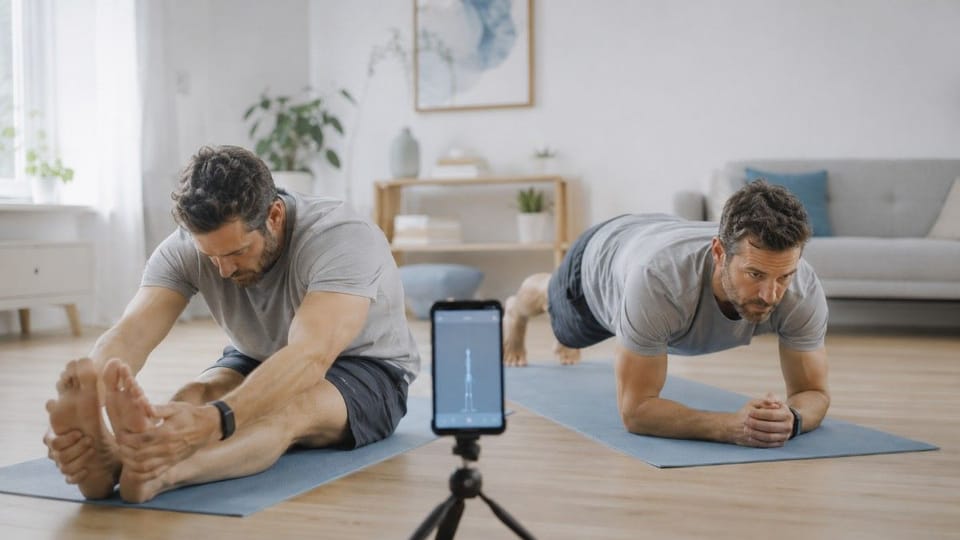
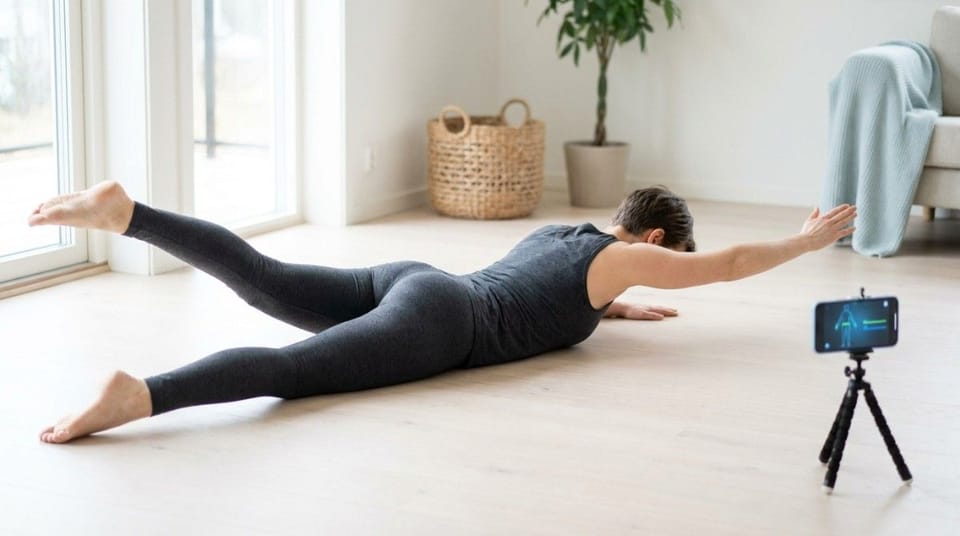
A weak core is a lack of strength and endurance in the deep stabilizing muscles of the trunk, which forces the lower back to absorb load it was not built to carry, often showing up as recurring, non-specific back pain.
Stretching for back pain loosens tight muscles for short-term relief, while core strengthening builds the deep-muscle stability that produces lasting relief, which means the two solve different halves of the same problem.
Thoracic mobility for rotational athletes is the mid-back's capacity to rotate independently of the hips and lower back, providing the range needed for a full, powerful swing, serve, or throw.
Core strength exercises for back pain are targeted movements that train the deep stabilizing muscles of your trunk – the transverse abdominis, multifidus, obliques, and pelvic floor – to support your spine and reduce strain on the lower back.
Glute inhibition is a condition where the gluteal muscles become neurologically underactive due to sustained sitting, reducing their ability to fire correctly during movement and leaving the lower back and hip flexors to compensate.