
AI Posture App vs Chiropractor vs Painkillers for Posture Headaches: What Actually Works 💙

Painkillers relieve posture headache pain fastest but don't touch the cause, chiropractic care can directly address the joint and muscle pattern but comes with cost and appointments, and an AI posture app works on the root mechanical cause daily at a lower cost, though results build over weeks rather than minutes. Most people get the best outcome by combining short-term relief with a root-cause approach rather than picking just one.
TL;DR
- 💊 Painkillers work in 20 to 40 minutes but only mask the tension, not fix it.
- 🩺 Chiropractic care can directly release the joint restriction behind the headache, at a recurring cost.
- 📱 AI posture apps address forward head posture daily, the actual mechanical cause, at a fraction of the cost.
- ⏱️ Time to real relief differs a lot: minutes for pills, days to weeks for chiropractic and app-based correction.
- 🔁 None of these are mutually exclusive, many people use more than one.
- 🚩 Frequent reliance on painkillers alone is a sign to address the root cause instead.
- 🧠 The right choice depends on your budget, your schedule, and how often the headaches happen.
What Is a Posture Headache?
A posture headache is head pain caused by muscle tension and joint strain in the neck, most often from forward head posture. Here's the full breakdown of why bad posture causes headaches in the first place if you want the mechanism before comparing your options.
Key Insight: These three options aren't solving the same problem. Painkillers manage the symptom, chiropractic care and AI-guided correction both target the cause, just through different methods, one hands-on and periodic, the other self-guided and daily.

AI Posture App vs Chiropractor vs Painkillers: Side-by-Side
| AI Posture App | Chiropractor | Painkillers | |
|---|---|---|---|
| Time to relief | Days to a few weeks | Often same-day for the visit, ongoing for full change | 20 to 40 minutes |
| Addresses root cause | Yes, directly | Yes, through manual adjustment | No |
| Typical cost | Low, one flat or subscription fee | Higher, per-visit and often recurring | Low per dose, adds up over time |
| Convenience | Home, any time | Requires appointments | Highest, no appointment needed |
| Personalization | High, based on your own posture scan | High, based on in-person assessment | None, generic |
| Best for | Ongoing prevention and daily correction | Acute joint restriction, hands-on assessment | Occasional, infrequent flare-ups |
Why Does One Option Work Faster Than Another?
Speed depends on what each option is actually built to do:
- Painkillers interrupt pain signaling. That's why relief shows up in under an hour, but the muscle tension causing the headache is untouched.
- Chiropractic adjustment addresses joint restriction directly. A skilled adjustment can release a stuck segment in one visit, which is why some people feel same-day relief, though the muscle pattern around it often needs separate work to fully resolve.
- An AI posture app works on the daily load pattern. Since forward head posture rebuilds itself every time you sit at a screen, correction has to happen daily too, which is why results build over days and weeks instead of minutes.
How Do You Choose Between an AI App, a Chiropractor, and Painkillers?
- How often does this happen? Occasional, once-a-month headaches may not justify a recurring chiropractic budget. Frequent, weekly headaches usually do justify addressing the root cause.
- What's your budget and schedule? Chiropractic care needs both time and recurring cost. An app-based approach needs neither, but does need daily consistency instead.
- Do you already know the cause? If you're confident it's posture-related, the free 5-minute neck reset is worth trying before committing to any paid option.
- Is anything unusual about the headache? New, severe, or unusual symptoms warrant a doctor's visit before any of the above.
What Happens If You Rely on Painkillers Alone?
Painkillers manage pain, but they don't change the forward head posture that's causing it, so the same headache tends to return under the same conditions, often the next long stretch at a desk. Relying on them regularly can also mean missing the pattern altogether, since the pain gets muted before you notice what triggered it. This isn't medical advice on medication use, but it's worth a conversation with a doctor or pharmacist if you find yourself reaching for painkillers more than occasionally.
3 Things to Try Before You Choose a Treatment Path (Quick List)
- Try the 5-minute reset first. It costs nothing and tells you quickly whether posture is really the driver.
- Track the pattern for a few days. Note when the headache starts and what you were doing, screen time, sleep position, stress, before booking anything.
- Check your desk and phone height. A simple setup fix sometimes reduces frequency enough to change which option makes sense.
For a sense of how long real correction typically takes once you commit to it, here's the honest timeline for posture correction.

When This Approach Doesn't Work
None of these three options are the right first step for every headache. See a doctor rather than choosing between them if you have:
- A sudden, severe headache unlike anything you've had before.
- A headache with fever, stiff neck, confusion, or a rash.
- A headache that started after a fall or head injury.
- Vision changes, slurred speech, or numbness alongside the headache.
- A headache that keeps getting worse despite trying posture correction, chiropractic care, or appropriate pain relief over several weeks.
Chiropractic care itself also isn't right for everyone. People with certain neck conditions should get medical clearance before an adjustment, so mention your full history at the first visit.
Research & Expert Insight
Physiotherapists often recommend addressing the underlying forward head posture rather than only managing the pain, since the mechanical load tends to recreate the headache if it's left alone. Posture specialists suggest that a combined approach, brief professional care for an acute flare paired with daily self-correction, tends to hold up better than either alone. Research in musculoskeletal rehab shows that active, self-directed correction produces comparable long-term outcomes to passive treatment for tension-type headache patterns, which is part of why daily habit change matters as much as any single appointment.
Small daily habits are often what quietly rebuild the problem between appointments, regardless of which option you choose.
Why the Cheapest Option Isn't Always the Fastest, and the Fastest Isn't Always the Cheapest
This is the real trade-off underneath the table above:
- Painkillers are cheap per dose but expensive over time, and they never touch the cause.
- Chiropractic care can be fast for the joint issue, but the recurring cost and appointments add up if the underlying posture habit isn't also addressed.
- An AI posture app is the slowest to show results, since it works on a daily habit, but it's the lowest ongoing cost and the only option built to prevent the next headache instead of just treating this one.
This same daily-consistency gap is why posture correction in general often doesn't stick, no matter which treatment path someone starts with.
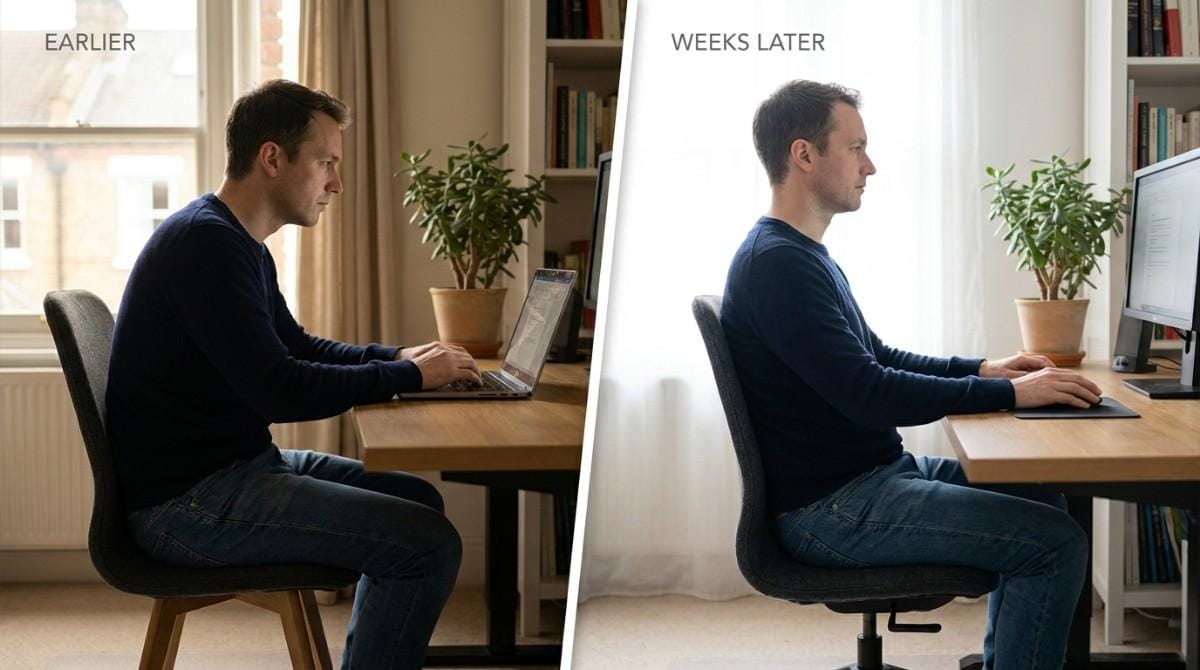
If you've tried painkillers for the tenth headache this month, or you're weighing whether recurring chiropractic visits fit your schedule and budget, it's worth knowing there's a daily, lower-cost option built specifically for the root cause.
Backed AI fits between the two:
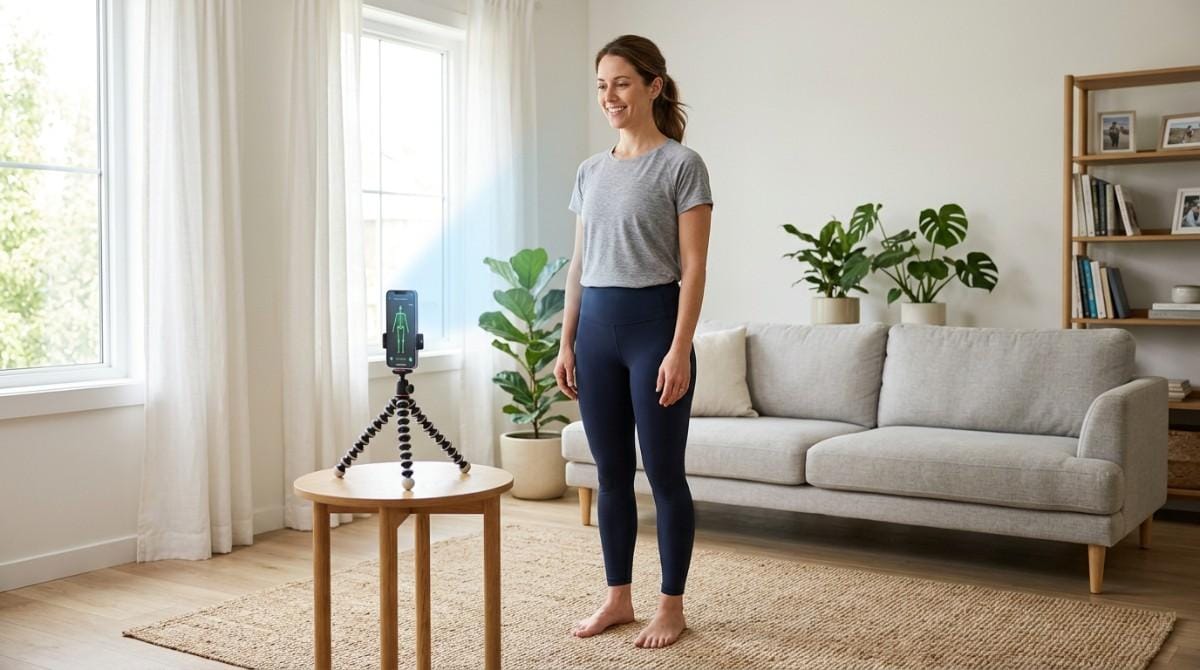
- Addresses the actual cause, not just the symptom. Camera-based posture analysis identifies your specific forward head posture pattern, the same pattern a chiropractor would assess by hand.
- Costs a fraction of ongoing professional visits. No recurring appointment fees, no per-visit cost.
- Builds the daily consistency neither pills nor periodic visits can. Reminders and tracking catch the habit slipping back before the next headache starts.
It's not a replacement for a doctor when something's genuinely wrong, and it's not mutually exclusive with chiropractic care either. For the everyday posture headache, though, it's often the most sustainable place to start.
Download Backed AI and start correcting your posture today.
Final Takeaway
Painkillers, chiropractic care, and AI-guided posture correction solve different parts of the same problem: fast symptom relief, hands-on joint correction, and daily root-cause prevention. Most people don't need to choose only one, but if posture headaches keep coming back, the option that actually changes the pattern is the one worth prioritizing. Watch for red-flag symptoms that need a doctor regardless of which path you're considering.
FAQ
Is an AI posture app or a chiropractor better for headaches from bad posture? It depends on your goal. A chiropractor can directly address an acute joint restriction, while an AI posture app works on the daily forward head posture pattern that keeps recreating the headache. Many people benefit from both.
Do painkillers fix the cause of a posture headache? No. Painkillers relieve the pain signal but don't change the forward head posture or muscle tension causing it, so the headache typically returns under similar conditions.
How much does chiropractic care cost compared to an AI posture app? Chiropractic care usually involves a per-visit fee and often requires multiple recurring appointments, while AI posture apps typically use a flat or subscription cost with no per-visit charges.
Can I use an AI posture app and still see a chiropractor? Yes. They address the problem differently, hands-on adjustment versus daily self-guided correction, and using both isn't redundant for most people.
When should I see a doctor instead of trying any of these options? See a doctor if the headache is sudden and severe, comes with fever or vision changes, follows a head injury, or keeps worsening despite consistent efforts with posture correction, chiropractic care, or appropriate pain relief.