Do Posture Correctors Actually Work? What the Research Says 💙
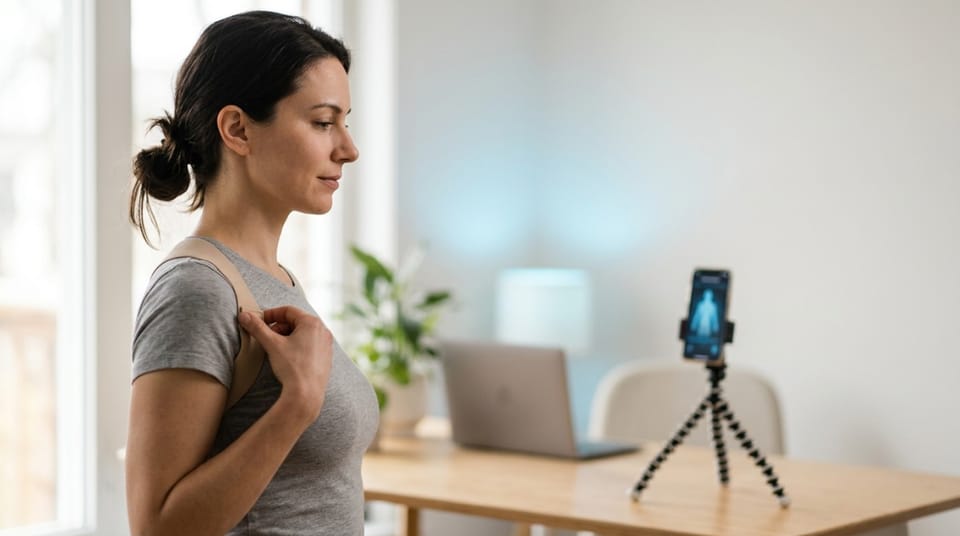
Posture correctors can help you notice bad posture and briefly stop you from slouching. But they do not fix the muscle weakness or habits that caused the slouching in the first place. Research on wearable posture braces shows short-term improvement while worn, with little evidence of lasting change once the device comes off.
TL;DR
- A posture corrector pulls your shoulders back while worn, but it does not train the muscles that hold that position on their own. 🧠
- Most of the postural benefit disappears within minutes of taking the brace off.
- Wearing one too often can weaken your postural muscles further, since the brace is doing the holding work for you.
- They work best as a short-term awareness tool, not a long-term fix.
- Pairing a brace with targeted exercise and consistent habit tracking gets better, longer-lasting results.
- AI posture apps and camera-based feedback are increasingly used alongside, or instead of, physical braces.
What Is a Posture Corrector?
A posture corrector is a wearable brace, strap, or smart device designed to pull the shoulders back and support spinal alignment while it's worn. Most target rounded shoulders and upper back rounding, though some also address forward head posture.
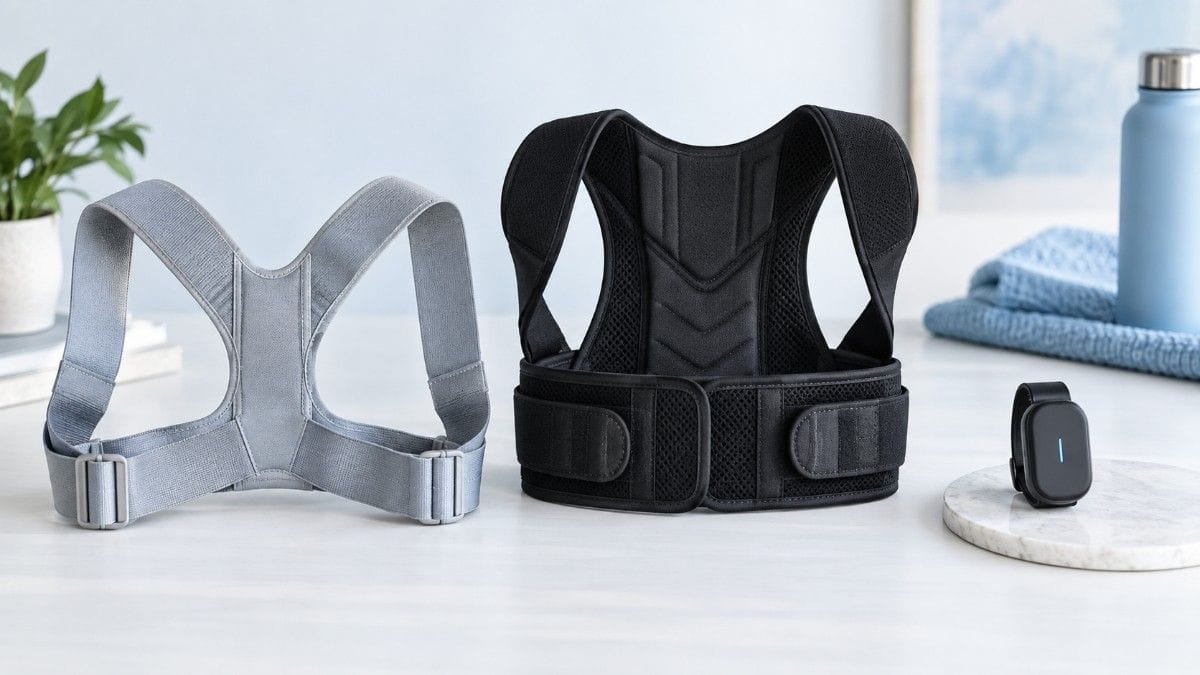
There are three common types:
- Soft strap braces – elastic figure-8 straps worn over the shoulders.
- Rigid back braces – firmer support, usually for more noticeable slouching or post-injury use.
- Smart wearables – small clip-on sensors that buzz or vibrate when you slouch, sometimes paired with an app.
None of these devices strengthens muscle. They redirect your body into a straighter position while you're wearing them, which is a very different thing from correcting posture. If you've ever wondered why fixing posture feels so hard to stick with, why can't I fix my posture breaks down the habit side of this problem in more depth.
Why Does a Posture Corrector Feel Like It's Working?
The moment you put one on, your shoulders pull back and your chest opens. That feels like instant relief, and in the moment, it is.
But that feeling comes from external support, not muscle engagement. The strap is doing the work your rhomboids, lower traps, and deep neck flexors are supposed to do. Your brain notices the new position and briefly feels "taller" and more confident, which is a real psychological effect, not just a placebo. Posture and body language are closely linked, and standing straighter can genuinely shift how you feel in the moment.
💡 Key Insight: A posture corrector does not train your muscles. It borrows your posture temporarily. Once removed, your body defaults back to old patterns until you actually build the strength to hold that position yourself.
How Does a Posture Corrector Actually Affect Your Muscles?
This is where most people get the wrong idea. Research in musculoskeletal rehab shows that passive bracing reduces active muscle engagement while it's worn. Your postural muscles are essentially given a break, which sounds nice but backfires with overuse.
Think of it like a knee brace. Wear it constantly with no rehab work, and the muscles around the joint weaken from disuse. The same principle applies to posture correction. Muscles that don't have to work, don't get stronger.
This matters most for people dealing with rounded shoulders or forward head posture, where the goal isn't just looking upright for an hour. It's rebuilding the strength and awareness to hold that position all day, unassisted.
| Posture Corrector Type | How It Works | Best For | Main Limitation |
|---|---|---|---|
| Soft strap brace | Elastic pull on shoulders | Light daily reminders | Minimal muscle activation |
| Rigid back brace | Firm structural support | Post-injury, short-term use | Can restrict natural movement |
| Smart wearable / AI clip | Vibration cue when slouching | Building awareness over weeks | Needs pairing with real strengthening work |
What Happens If You Wear a Posture Corrector Too Long?
Overuse is the most common mistake. A few things tend to happen:
- Muscle dependency. The longer the brace does the work, the weaker your natural postural muscles get.
- Skin irritation. Straps worn for hours under clothing can chafe, especially in warm weather.
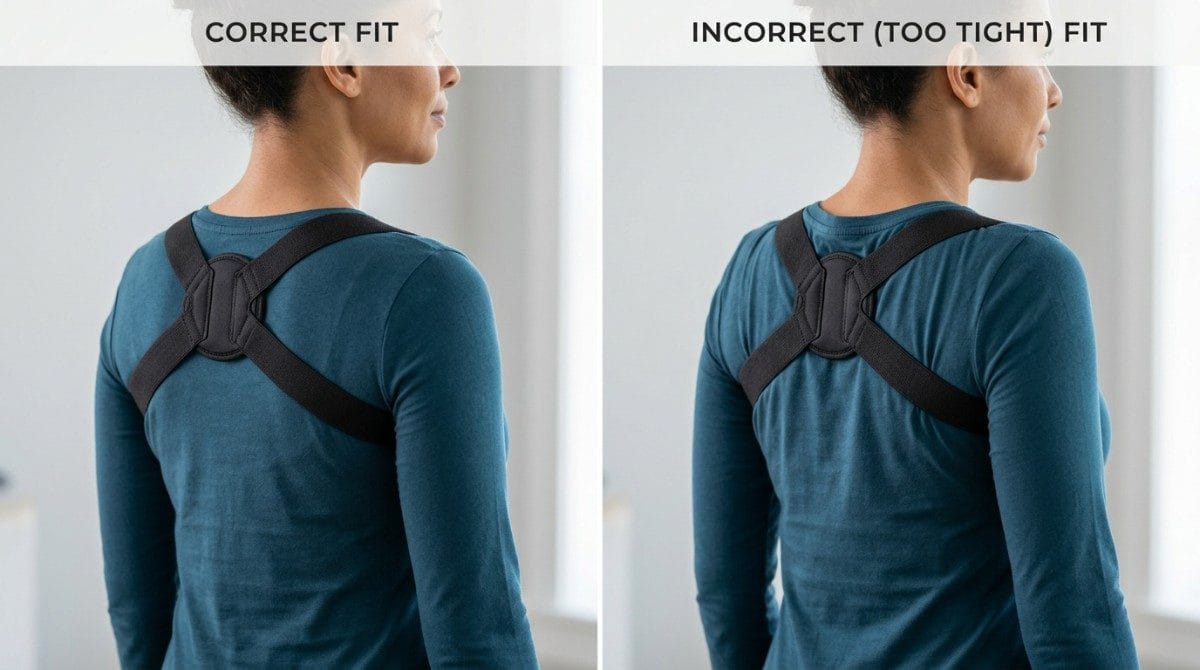
- Restricted breathing. A too-tight brace can compress the ribcage and shallow out your breathing.
- False security. Some people wear a corrector while doing the exact activities that caused the problem, like hours of screen time, without changing anything else.
When NOT to use this: Skip all-day wear. Most physiotherapists suggest 15 to 30 minutes at a time, a few times a day, not as a constant garment.
When This Approach Doesn't Work
A posture corrector alone won't help if:
- Your slouching comes from structural issues like scoliosis or advanced kyphosis, which need a professional diagnosis first. If a hunched upper back is the main concern, what is kyphosis (hunchback posture) explains how to tell the difference from ordinary rounded shoulders.
- You're using it as your only strategy, with no strengthening or mobility work alongside it.
- You feel numbness, tingling, or sharp pain rather than mild muscle fatigue. That's a signal to see a doctor, not tighten the strap.
- You expect permanent change from short-term wear. Real correction takes weeks of consistent work, not a single accessory.
Research & Expert Insight
Physiotherapists often recommend using postural braces only as a short-term cue, not a long-term solution. Posture specialists suggest pairing any wearable device with active strengthening for results that actually stick. Research in musculoskeletal rehab consistently points to the same conclusion: passive support helps you notice bad posture, but active training is what changes it.
For a condition-specific look at how bracing stacks up against other options, neck hump brace vs exercises vs AI posture apps and kyphosis brace vs exercises vs AI posture apps both walk through the same trade-off in more targeted detail.
Best Uses for a Posture Corrector (Quick List)
- Short daily reminder sessions. Wear it for 20 to 30 minutes to build awareness of what "tall" actually feels like.
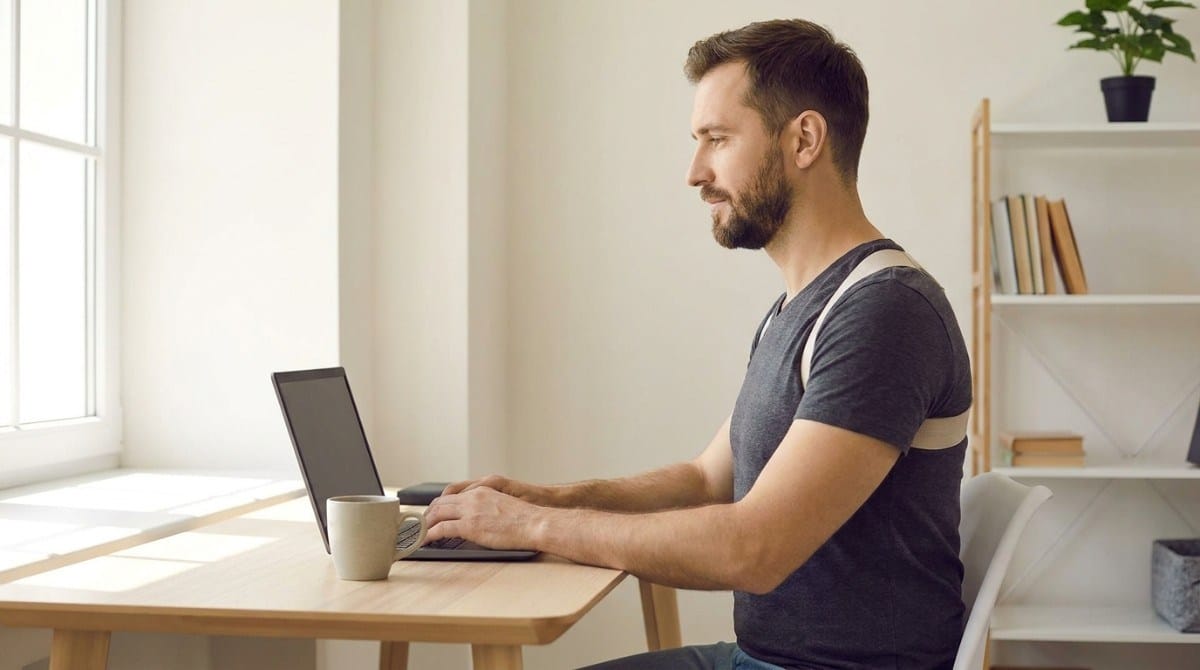
- High-slouch activities. Long drives, flights, or hours of screen work are good short windows for a brace.
- Early awareness phase. In the first week or two of building new posture habits, a brace can speed up recognition.
- After upper-back training. Light wear post-workout can reinforce the position you just trained.
- Alongside active exercise, never instead of it. This is the difference between a tool and a crutch.
Step-by-Step Recovery Framework: How to Actually Fix Your Posture
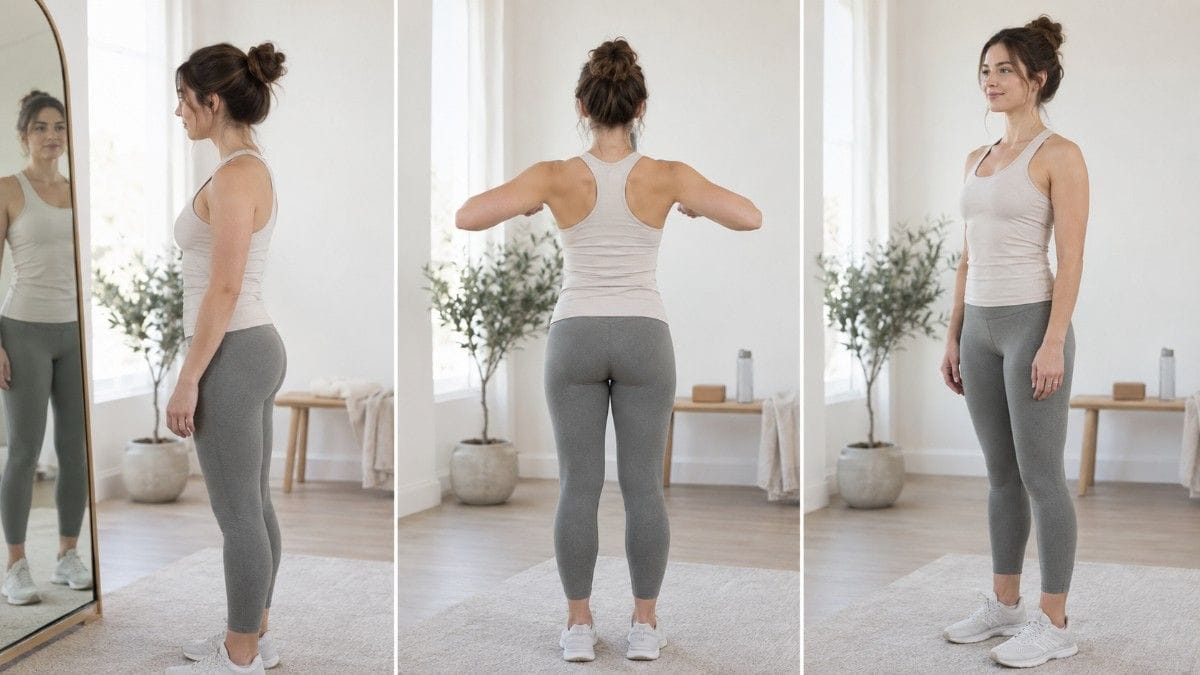
- Test your baseline. Stand sideways in a mirror or photo and check where your ear, shoulder, and hip line up.
- Identify your dominant pattern. Rounded shoulders, forward head posture, and flat back all need slightly different fixes.
- Use a corrector only as a short-term cue, if you choose to use one at all.
- Add daily strengthening and mobility work for the muscles that actually hold your spine upright, not just the ones that feel tight. 15 best posture exercises is a solid starting routine.
- Track consistency, not perfection. A few honest minutes daily beats an occasional intense session.
- Reassess every two to four weeks. Posture change is gradual, and how long does posture correction take sets realistic expectations so you don't quit too early.
This is usually where people get stuck. Standing taller feels better immediately, but staying consistent without any feedback is genuinely hard when you can't see your own posture slipping in real time.
Why Most Exercise Plans Fail
Generic posture routines and one-size-fits-all YouTube videos fail for a few predictable reasons:
- Inconsistency. Without tracking, most people quietly stop after a week or two.
- Wrong form. A rounded-shoulders exercise done with poor technique can reinforce the same imbalance it's meant to fix.
- No progression. The same five exercises forever stop challenging the muscles that need to keep adapting.
- No personalization. Your posture pattern isn't identical to everyone else's, so a generic plan treats a forward head posture case the same as a flat back case.
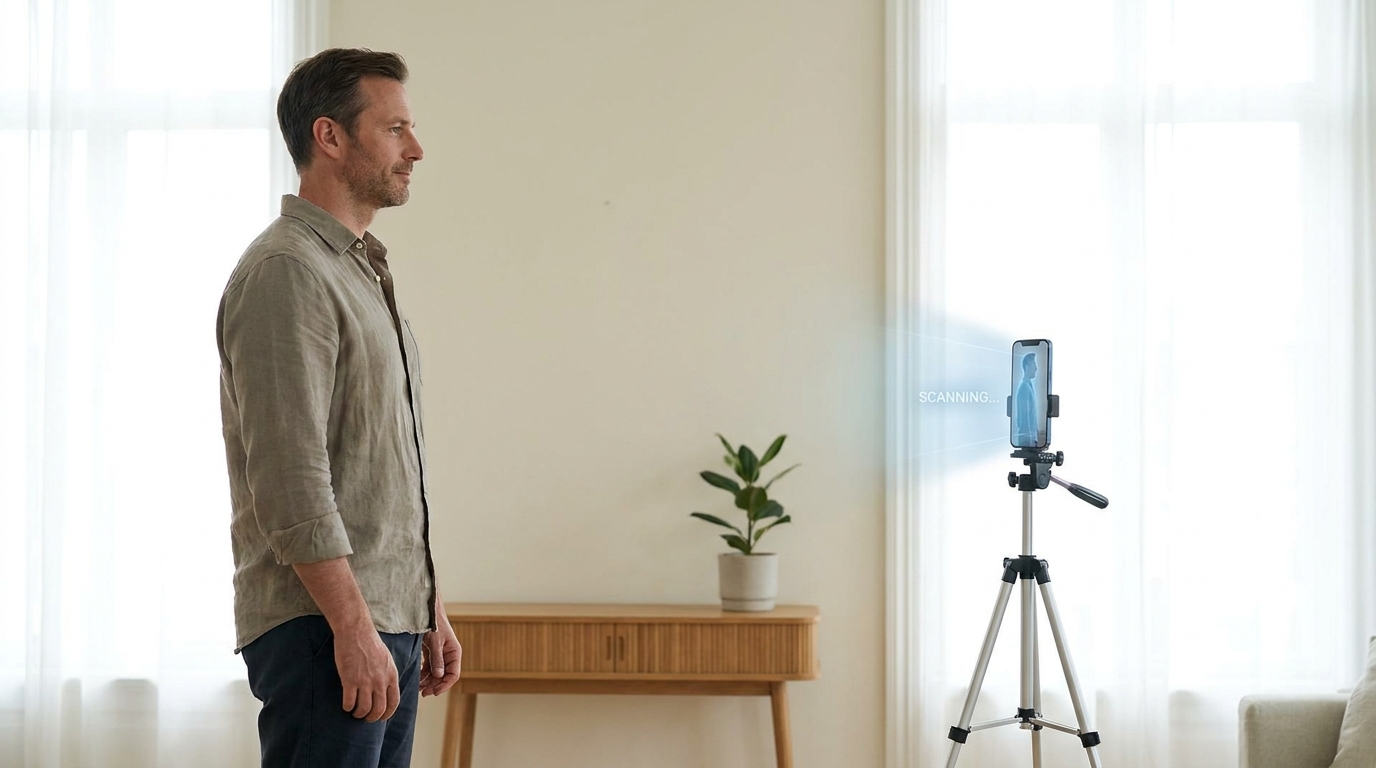
A posture corrector can tell your shoulders where to sit for twenty minutes. It can't watch how you actually move through your day, tell you which muscles are weak, or adjust your routine as you improve. That's the gap between a passive brace and an active correction system.
Backed AI uses your phone camera to scan your posture, spot your specific pattern, whether that's rounded shoulders, forward head posture, or something else, and build a routine around it instead of guessing. Three things make that different from a strap or a generic video:
- Personalized, not generic. Your program is built around your actual scan results, not a one-size-fits-all routine.
- Progress tracking that adapts. As your posture improves, your exercises progress with you instead of staying static.
- A habit-building system, not a passive accessory. Reminders and tracking keep you consistent long after the "new brace" motivation fades.
If a posture corrector has felt like a temporary fix that never quite sticks, that's usually not a discipline problem. It's a personalization problem. Download Backed AI and start correcting your posture today.
FAQ
Do posture correctors actually work? They help you notice and briefly correct slouching while worn, but research shows the effect fades once removed. They work best paired with active strengthening, not used alone.
How long should you wear a posture corrector each day? Most physiotherapists suggest short sessions of 15 to 30 minutes, a few times a day, rather than continuous all-day wear.
Can a posture corrector fix rounded shoulders permanently? No. A brace supports your shoulders temporarily but doesn't strengthen the muscles needed to hold that position on your own long-term.
Are posture correctors bad for you? Not inherently, but overuse can weaken postural muscles, irritate skin, and restrict breathing if worn too tight or too long.
What works better than a posture corrector alone? Targeted strengthening exercises, consistency tracking, and personalized feedback, such as AI-guided posture scans, tend to produce longer-lasting results than a brace by itself.